
Benefits of Cloud PACS: Cost, Workflow and Care Gains
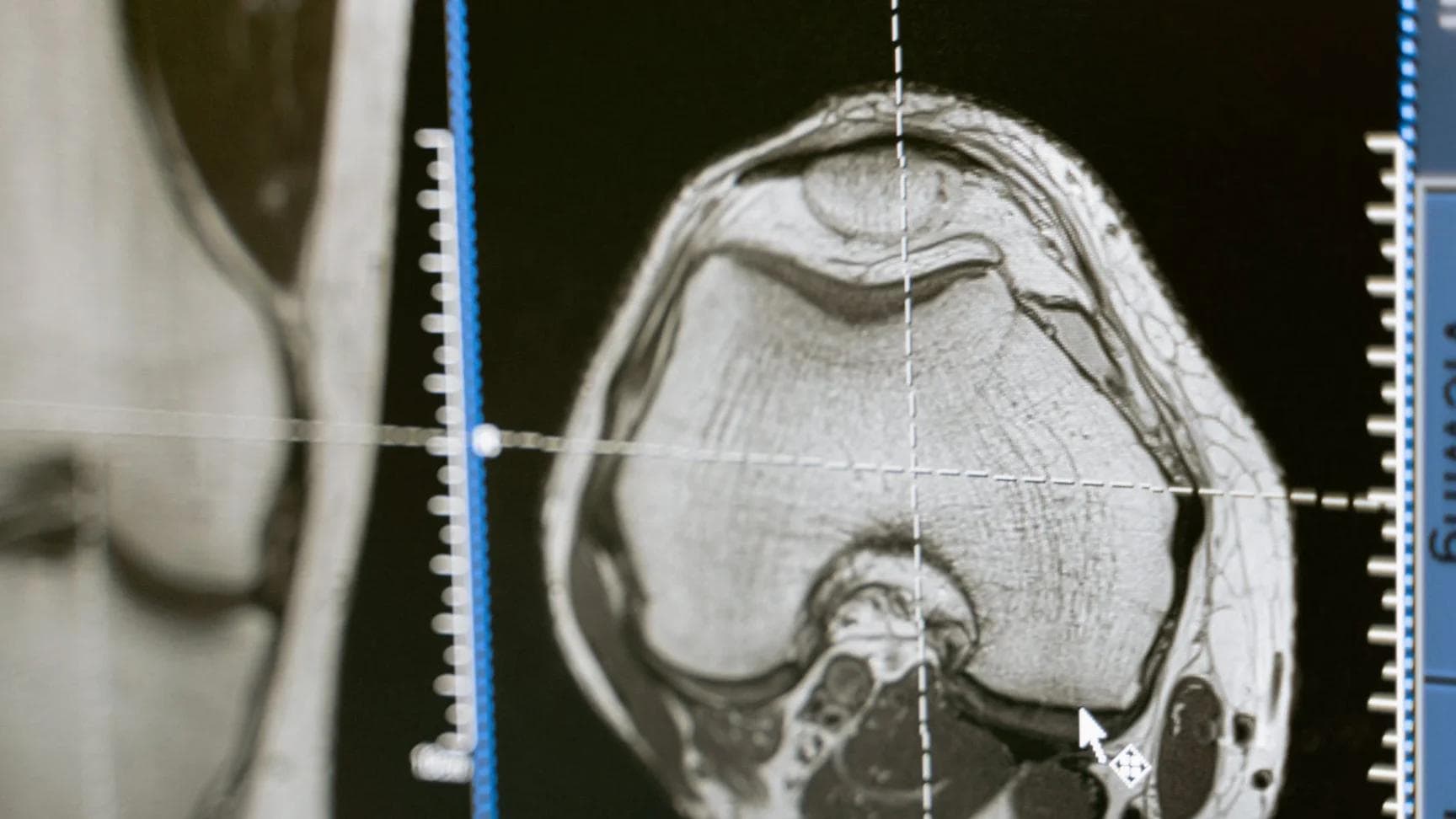
The benefits of cloud PACS include lower imaging IT costs, access to studies from any location, faster report turnaround, HIPAA compliant security with automatic backup, and storage that scales without new hardware. For most practices, the biggest gains are financial and operational: no servers to buy or maintain, no CDs to burn, and no storage limits as imaging volume grows.
A Quick Refresher: What Cloud PACS Is
A cloud PACS (Picture Archiving and Communication System) stores, manages, and distributes medical images in secure cloud infrastructure instead of on servers inside the facility. Studies arrive from modalities in DICOM format and are viewed through a browser based viewer. For a full explanation of the technology and how it works, see our guide to what cloud based PACS is and how it works.
The benefits below follow from that single change in where the archive lives and how it is delivered. Each one maps to a cost, workflow, clinical, or risk problem that on-premise systems create.
Cost Benefits: Stop Paying for Imaging Hardware
No Servers to Buy, House, or Replace
An on-premise PACS starts with capital spending: servers, storage arrays, backup hardware, and the room, power, and cooling to run them. Hardware then ages out on a three to five year cycle and must be replaced whether imaging volume grew or not. A cloud PACS removes the purchase entirely. The archive runs in the provider's data centers, and the practice needs only workstations or browsers to view studies.
CapEx Becomes Predictable OpEx
Cloud PACS is sold as a subscription, which moves imaging storage from CapEx to OpEx. Instead of a large upfront purchase followed by unpredictable repair and upgrade bills, the practice pays a steady operating cost that typically scales with study volume or storage used. Budgeting becomes simpler, and a growing practice is not punished with a forklift hardware upgrade every time volume jumps.
Maintenance and Upgrades Are Included
On-premise systems charge extra, in money or in staff time, for software updates, security patches, storage expansion, and hardware failures. With cloud PACS, the vendor maintains the platform: updates deploy centrally, storage expands behind the scenes, and redundancy is built into the service. The practice's IT budget stops funding PACS upkeep and can be spent elsewhere.
Workflow and Productivity Benefits
Access Studies From Anywhere
Because the archive is cloud based, authorized users open studies from the office, another site, home, or a hospital across town, with nothing more than a browser and a login. Radiologists are no longer tied to a specific workstation in a specific building. Teleradiology, remote reading, and after hours coverage become straightforward to arrange, and a covering physician can review a case without traveling to where the images happen to sit.
Faster Turnaround and a Cleaner Worklist
Cloud PACS platforms pair the archive with a managed modality worklist, so incoming studies are organized, prioritized, and routed automatically instead of being hunted down by staff. Prior studies load alongside new ones for comparison. Fewer manual steps between acquisition and report means shorter turnaround times, and shorter turnaround is what referring physicians notice most.
Less Administrative Handling
Film libraries, disc burning, manual study requests, and shipping media all consume staff hours in a traditional workflow. A cloud archive removes most of that handling. Studies move electronically, requests are fulfilled with a link instead of a disc, and staff time shifts from moving images to supporting patients and physicians.
Clinical Benefits
Easier Collaboration Across Specialists
Imaging rarely stays inside one department. A study may need a radiologist's report, a cardiologist's review, and the referring physician's follow up. Cloud PACS lets each clinician open the same study at the same time from different locations, which makes multidisciplinary review, tumor boards, and case conferences practical without copying files or gathering around one screen.
Faster Second Opinions and Consults
When a case is difficult, the value of a second opinion depends on how fast the images can reach the second reader. Cloud access cuts that delay from days of shipping media to minutes of sharing a study. Subspecialists can be consulted regardless of geography, which matters most for smaller practices without deep subspecialty coverage in house.
Priors Available at the Moment of Reading
Comparison with prior imaging is central to accurate interpretation, and it is where local archives often fail: priors sit on an old server, a different system, or a disc in a cabinet. A single cloud archive keeps the full imaging history in one place, so priors are available at the moment of reading instead of after a records request.
Patient Care Benefits
Faster Results for Patients
Every delay removed from the imaging workflow shortens the time between a scan and an answer. Anywhere access, automated worklists, and instant sharing compress the path from acquisition to signed report, so treatment decisions happen sooner. For patients waiting on a diagnosis, that time difference is the benefit they actually feel.
Sharing Without CDs
Patients and outside physicians still receive imaging on burned CDs from many facilities, and those discs are slow to produce, easy to lose, and often unreadable on modern computers that no longer have disc drives. Cloud PACS replaces the disc with a secure link: the patient or receiving provider opens the study in a browser. Follow up care at another facility starts with the images already available.
IT and Security Benefits
Compliance Built Into the Platform
Medical images are protected health information, and the archive holding them must meet HIPAA requirements for access control, audit trails, and encryption. Reputable cloud PACS platforms are built for this from the start. SARC MedIQ, for example, is HIPAA compliant and SOC 2 certified, which means its security controls are independently audited. A small practice gets enterprise grade compliance without hiring the team that would be needed to achieve it on local hardware.
Encryption, Backup, and Disaster Recovery
Cloud archives encrypt data in transit and at rest, replicate it across redundant storage, and back it up automatically. The disaster scenarios that threaten an on-premise archive, such as fire, flood, theft, ransomware, or a failed server with an untested backup, are absorbed by the platform's design instead of becoming the practice's emergency. Recovery is a vendor responsibility with defined commitments, not a hope pinned to a tape in a closet.
Access Control and Auditability
Role based access ensures each user sees only the studies their job requires, and detailed audit logs record who viewed or shared what. Managing this on local systems takes deliberate IT effort; in a cloud platform it is standard configuration. When a compliance question arises, the records to answer it already exist.
Scalability Benefits
Storage That Grows With Volume
Imaging files are large, modalities keep getting sharper, and retention requirements keep archives growing for years. On-premise storage hits a wall and demands another purchase. Cloud storage expands continuously, in practice without a ceiling the practice has to manage, and AI based imaging workloads that need fast access to large historical datasets become feasible on the same archive.
Multi-Site Growth Without New Infrastructure
Opening a second location with on-premise PACS means new hardware, new installation, and a new archive to keep in sync. With cloud PACS, a new site connects to the same archive from day one. Acquisitions and mergers also get simpler: instead of migrating between incompatible local systems, sites share one archive, one worklist, and one set of access rules.
Benefits by Practice Type
Small Practices and Clinics
The dominant benefits are financial and operational: no server purchase, no IT contractor on call for the PACS, and a subscription that fits a small budget. The practice gains the same anywhere access and compliance posture as a large institution, which levels a field that used to favor whoever could afford the most hardware.
Imaging Centers
For imaging centers, volume is the business. The key benefits are throughput and referrer satisfaction: automated worklists, fast turnaround, easy second reads, and link based sharing that referring offices prefer over discs. Scalability matters here too, because a center that wins more referrers needs storage and performance to grow with the win.
Hospitals and Health Systems
Larger organizations benefit most from consolidation: one archive across departments and sites, enterprise imaging strategy on a single platform, and a vendor neutral archive (VNA) approach that reduces dependence on any single modality or workstation vendor. Centralized security, audit, and disaster recovery also simplify system wide compliance.
Benefits at a Glance
| Benefit | What it means in practice |
|---|---|
| Lower total cost | No servers to buy or replace; subscription replaces capital spending |
| Anywhere access | Physicians read studies from any location through a browser |
| Faster turnaround | Automated worklists and instant priors shorten report times |
| Easier collaboration | Multiple specialists review the same study at the same time |
| Better patient experience | Results arrive sooner; images shared by link, not CD |
| Stronger security | HIPAA controls, encryption, and SOC 2 audited platforms |
| Automatic backup | Redundant cloud storage with vendor managed disaster recovery |
| Unlimited scalability | Storage and sites grow without new hardware purchases |
How SARC MedIQ Delivers These Benefits
SARC PACSflow, the cloud PACS from SARC MedIQ, is built around the benefits above. It is zero-footprint, meaning physicians open studies in a browser with no local software to install and no viewer hardware to maintain, and it includes unlimited storage so archives grow without capacity planning. The interface is designed for radiologists and non-radiologists alike, with advanced image manipulation and measurement tools for detailed analysis. PACSflow integrates with existing EHR and RIS systems through standard interfaces such as HL7 and FHIR, so imaging data flows into the record instead of sitting in a silo. The platform is HIPAA compliant and SOC 2 certified, and a dedicated support team assists with onboarding and day to day questions.
Conclusion
The benefits of cloud PACS compound: lower costs free up budget, anywhere access speeds up reading, and better sharing improves both collaboration and patient experience, all on infrastructure that stays secure and scales on its own. If your current system still depends on local servers, burned discs, or a storage ceiling, a short demo will show what changes in practice. Request a demo to see PACSflow working with your own imaging workflow.
Frequently asked questions
The main benefit of cloud PACS is that it removes imaging infrastructure from the practice while improving access to studies. There are no servers to buy or maintain, physicians can open DICOM studies from any location through a browser, and storage scales automatically. Cost, workflow, security, and scalability gains all follow from moving the archive to managed cloud infrastructure.
Cloud PACS reduces costs by replacing capital spending on servers and storage hardware with a subscription, so imaging IT moves from CapEx to OpEx. Maintenance, software updates, security patching, and backup are handled by the vendor and included in the service. Practices also save staff time previously spent on disc burning, manual study handling, and hardware troubleshooting.
Yes, when the platform is built for healthcare compliance. A cloud PACS should be HIPAA compliant, encrypt data in transit and at rest, enforce role based access, and keep audit logs of study access. Platforms such as SARC MedIQ add SOC 2 certification, which means security controls are independently audited. For most practices, this exceeds what local servers achieve.
Yes. Small practices often gain the most because they get enterprise level imaging infrastructure without buying servers or hiring IT staff to run them. A subscription model keeps costs predictable, the browser based viewer needs no special workstations, and the same archive scales if the practice adds physicians, modalities, or a second location later.
Cloud PACS stores images redundantly across data centers with automatic backup, so a local outage, hardware failure, fire, or flood does not destroy the archive. If one facility loses power or internet, authorized users can still reach studies from another location. Disaster recovery is managed by the vendor as part of the service, rather than depending on backups the practice maintains itself.

Colin McCann, Ph.D.
Colin McCann, Ph.D., is the Co-Founder and CTO of SARC MedIQ, where he leads AI and healthcare imaging technology initiatives. His background spans machine learning, computer vision, cloud healthcare infrastructure, and large-scale medical data systems, with prior research experience at the National Institutes of Health and the University of Maryland. He specializes in building scalable AI-driven solutions for medical imaging, reporting, and healthcare workflow automation.

Never miss an insight that matters
Subscribe to get the latest articles, case studies, and product updates delivered straight to your inbox.
Ready to modernize your practice?
Discover how MedIQ and optional modules can streamline your workflow, improve efficiency and modernize your practice.
Book 30-min demo