How To Scale Content With AI Without Sacrificing Quality
As AI continues to reshape how businesses approach content creation, many organizations are finding themselves under increasing pressure to produce more—faster, and across multiple channels. While AI tools are making this possible, they also introduce new challenges around consistency, credibility, and maintaining a distinct brand voice.
In a recent Forbes Business Council article, industry leaders shared how they are navigating this shift and finding the right balance between automation and authenticity. The discussion highlights a common theme: while AI can streamline workflows and support production, it cannot replace the human judgment required to ensure quality and trust.
Sharing his perspective, Asaad Hakeem, CEO of SARC MedIQ and member of the Forbes Business Council, emphasized the importance of a hybrid approach. He noted that while AI plays a critical role in accelerating drafting, data extraction, and personalization, human oversight remains essential—particularly in areas requiring clinical accuracy and clear, consistent messaging.
His insight reinforces a key idea: AI should enhance content creation—not replace the expertise and judgment that build trust. By combining speed with thoughtful human review, organizations can scale their output while preserving the credibility and reliability their audiences expect.
The Best Cloud PACS Solutions for Medical Imaging: A Comprehensive Comparison
In today’s digital healthcare landscape, efficient and secure storage of medical images is crucial for improved diagnoses, streamlined workflows, and enhanced patient care. Enter PACS (Picture Archiving and Communication System), the backbone of image management. But when it comes to choosing the right PACS solution, healthcare facilities face a critical decision: Cloud PACS vs Onsite PACS? Both options offer unique advantages and drawbacks, and navigating this choice can be daunting. But worry not, this blog post is your comprehensive guide to understanding the intricacies of each option, empowering you to make an informed decision for your facility.
Onsite PACS: The Familiar Stronghold with Its Unique Drawbacks
For years, Onsite PACS reigned supreme as the trusted solution for storing medical images. Housing data directly on your facility’s servers offers a sense of control and security that resonates with many healthcare providers. Let’s delve deeper into benefits of Onsite PACS and its disadvantages.
Advantages of Onsite PACS
Unwavering Control and Customization: You hold the reins! With onsite PACS, your data resides within your physical infrastructure, granting you granular access and complete control over customization. Tailor user permissions, security protocols, and workflows to your specific needs. This level of control can be particularly appealing for facilities with unique compliance requirements or data sensitivity concerns.
Reliable Performance and Offline Access: Rest assured, even during internet outages, your images remain readily accessible. Onsite PACS isn’t tethered to the whims of external connectivity, ensuring uninterrupted image retrieval and diagnosis, even in rural or remote locations. This reliability can be a critical factor for facilities prioritizing uninterrupted clinical operations.
Disadvantages of Onsite PACS
Hardware Heavies and Constant Upkeep: Unfortunately, the strength of your fortress comes at a cost. Implementing and maintaining an onsite PACS requires significant upfront investment in hardware, software licenses, and dedicated IT staff. Ongoing maintenance, updates, and data backups add to the burden, potentially straining your budget and IT resources.
Scaling Challenges for Growth: As your facility expands, scaling an onsite PACS can be cumbersome and expensive. Adding storage capacity often involves purchasing additional hardware, increasing your physical footprint and management load. This limited scalability might not be the best fit for rapidly growing practices or those anticipating significant data volume increases.
While onsite PACS offers compelling advantages in control, reliability, and customization, its cost, scalability limitations, and IT burden cannot be ignored. Carefully evaluate your facility’s specific needs and consider how these factors might impact your long-term budget and future growth plans.
Cloud PACS: Riding the Wave of Innovation with Potential Undercurrents
Cloud PACS, the emerging champion of image storage, presents a paradigm shift for healthcare facilities. Unlike its onsite counterpart, it stores data securely in remote data centers managed by specialized vendors. There are multiple benefits of Cloud PACS, but it also carries potential considerations demanding careful evaluation. Let’s explore both sides of the coin:
Advantages of Cloud PACS
Cost-Effectiveness and Scalability: A Budget-Friendly Journey:
Say goodbye to hefty upfront investments! Cloud PACS operates on a subscription-based model, eliminating the need for expensive hardware purchases and software licenses. You pay only for the storage space you use, making it a remarkably budget-friendly choice, especially for smaller facilities or those with fluctuating data volumes. Plus, as your needs evolve, scalability becomes effortless. Adding storage or users takes just a few clicks, empowering your growing practice without the hassle of infrastructure upgrades.
Accessibility Unleashed: Anytime, Anywhere Image Access:
Imagine authorized personnel accessing patient images from any device, anywhere with an internet connection. Cloud PACS makes this a reality, fostering seamless collaboration and remote consultations. Specialists across locations can instantly review scans, discuss cases, and provide timely diagnoses, significantly improving patient care and streamlining workflows. Remote consultations become feasible, expanding your reach and potentially increasing revenue.
Maintenance Marvel: Vendor Expertise at Your Service:
Forget about IT headaches! Cloud PACS vendors handle all the heavy lifting – system updates, backups, and security patches are automatically applied, freeing your IT staff to focus on core tasks. This eliminates the burden of managing complex infrastructure and ensures your system is always up-to-date with the latest security measures.
Key Considerations for Choosing PACS
Choosing the right PACS boils down to a careful evaluation of your facility’s unique needs and priorities. Consider the following factors:
- Budget: Onsite PACS requires a significant upfront investment, while cloud PACS offers predictable, subscription-based costs.
- IT resources: Do you have in-house IT expertise to manage an onsite PACS, or do you prefer a hands-off approach with cloud providers?
- Security: Both options offer robust security measures, but evaluate vendor track records and compliance certifications for peace of mind.
- Scalability: Consider your future growth plans and choose a solution that adapts to your evolving needs.
Making the Informed Choice: Choosing Cloud PACS for a Future-Proof Facility
While both cloud and onsite PACS offer valuable functionalities, understanding your specific needs will help you navigate the right path. If cost-effectiveness, scalability, and seamless accessibility are top priorities, cloud PACS solutions like SARC MedIQ might be the perfect fit.
Top Cloud PACS Solutions for Medical Imaging
Here’s why choosing SARC MedIQ cloud PACS can empower your facility:
- No Upfront Costs: Eliminate the burden of hefty hardware investments. SARC MedIQ subscription-based model ensures predictable costs, freeing up precious capital for other strategic initiatives.
- 50% Cost Decrease: Experience significant cost savings compared to traditional onsite PACS. SARC MedIQ optimizes your operations, reducing IT maintenance expenses and resource allocation.
- Flexible Solutions: Enjoy unmatched scalability and adaptability. SARC MedIQ seamlessly grows with your practice, accommodating increasing needs without costly hardware upgrades.
- Anytime, Anywhere Access: Empower your entire team with secure access to patient images from any device, anywhere in the world. Remote consultations and collaboration become effortless, enhancing patient care and specialist engagement.
- Web-Based Convenience: No complex software installations or downloads needed. Access your PACS securely through any web browser, simplifying usage and reducing onboarding time for new users.
- Revenue-Boosting Potential: Improved efficiency and streamlined workflows translate to increased productivity and potential for higher revenue generation.
Ready to experience the transformative power of cloud PACS?
Book a free demo with SARC MedIQ today and discover how our cost-effective, scalable, and accessible solution can revolutionize your image management.
Don’t wait, empower your facility for the future with SARC MedIQ Cloud PACS!
Frequently Asked Questions About Cloud PACS
What are the benefits of Cloud PACS?
How does Cloud PACS compare to Onsite PACS?
Is Cloud PACS secure for storing sensitive medical images?
How much does Cloud PACS cost compared to Onsite PACS?
Can Cloud PACS integrate with existing hospital information systems?
The Hospital’s Definitive Guide to Choosing a PACS / DICOM Platform
Selecting the right PACS/DICOM platform is one of the most consequential technology decisions for any hospital. The ideal system should handle every aspect of medical image management—capturing, storing, retrieving, and sharing images securely—while maintaining compliance, interoperability, and clinical efficiency.
This guide walks hospital leaders through the technical, operational, and strategic factors that define today’s best medical image management solutions, helping them choose a platform that supports seamless care delivery and long-term digital transformation.
SARC MedIQ contributes to this transformation through its AI-powered, cloud-based workflow suite built on Amazon Web Services, offering hospitals proven pathways from legacy imaging systems to modern, integrated, and compliant environments.
Understanding PACS and DICOM Fundamentals
Picture Archiving and Communication Systems (PACS) form the backbone of medical image management. They are the software and infrastructure hospitals use to store, retrieve, manage, and display radiological images and associated reports.
Digital Imaging and Communications in Medicine (DICOM) is the universal standard for image formatting and exchange, ensuring that imaging data is interoperable between devices and software systems regardless of manufacturer. Together, PACS and DICOM underpin every hospital’s diagnostic imaging workflow.
| Term | Definition | Primary Role |
| PACS | Picture Archiving and Communication System | Stores, retrieves, and manages medical images |
| DICOM | Digital Imaging and Communications in Medicine | Standard format and communication protocol for imaging data |
A “DICOM workflow” refers to the end-to-end exchange of imaging data—from capture and transmission to viewing and reporting—governed by DICOM standards. True PACS-DICOM harmony ensures image integrity, efficient collaboration, and enterprise scalability.
Deployment Models for PACS/DICOM Platforms
Hospitals typically deploy PACS in three models: on-premise, cloud-based, or hybrid. The right choice depends on balancing data control, cost, and scalability.
| Model | Cost | Data Control | Scalability | IT Demand |
| On-premise | High upfront | Full | Limited | High |
| Cloud | Opex-based | Shared | High | Low |
| Hybrid | Moderate | Balanced | High | Moderate |
Strategically, cloud PACS architectures are gaining favor for their elasticity and reduced maintenance, while hybrid models cater to complex or multi-site systems.
On-Premise PACS Solutions
On-premise PACS platforms store all imaging data within the hospital’s infrastructure, offering maximum governance and data sovereignty. They are ideal for facilities with strict regulatory requirements or where low latency is vital. However, these solutions come with high capital costs, complex maintenance, and limited scalability. Hospitals often retain or upgrade on-premise PACS when data locality is non-negotiable or network constraints exist.
Cloud-Based PACS Solutions
Cloud PACS platforms eliminate much of the traditional IT burden. They deliver scalable storage, disaster recovery, and global accessibility for physicians. By shifting capital expenses to operational models, they reduce overhead while ensuring continuous availability. Hospitals must still assess data residency laws, bandwidth reliability, and integration to ensure compliance and uptime. SARC MedIQ’s cloud-native PACSFlow, for example, offers secure, AI-powered image streaming and storage fully compliant with HIPAA and HL7 standards—without costly infrastructure overhead.
Hybrid PACS Architectures
Hybrid PACS integrates on-site performance with cloud redundancy, offering the best of both environments. It’s often chosen by multi-facility systems and institutions emphasizing disaster resilience. Key considerations include:
- Workflow latency management
- Failover protocols and recovery testing
- Consistent DICOM synchronization between local and cloud components
Key Features and Specialty Requirements
A high-performance PACS must combine universal features with specialized functionality tailored to each department.
Core features include:
- Multi-modality image support
- Fast, secure retrieval and viewing
- Diagnostic-grade visualization tools
- Role-based access and secure sharing
| Specialty | Key PACS Features |
| Cardiology | Dynamic study handling, cine loops, advanced measurements |
| Pathology | Whole-slide navigation, annotation, lossless zoom |
| Surgery | 3D/4D visualization, volume rendering, spatial planning |
Supporting Cardiology Imaging Workflows
Cardiology PACS must handle large, dynamic studies like angiograms and echocardiograms. High-frame-rate visualization and integrated quantitative tools are essential for accurate, time-sensitive diagnoses. Robust cardiac PACS support high-resolution playback, synchronized measurements, and direct reporting integration. SARC MedIQ’s AiReports leverages AI to automate cardiac measurements and structured report generation—helping clinicians cut reporting time from 30–45 minutes to under 2 minutes.
Pathology and Whole-Slide Imaging Needs
Digital pathology demands systems that can process and navigate gigabyte-scale whole-slide images without lag. Key requirements include smooth pan-zoom performance, precise annotation tools, and lossless image compression. For high-volume labs, efficient metadata indexing is critical for rapid search and retrieval.
Advanced Visualization for Surgical Planning
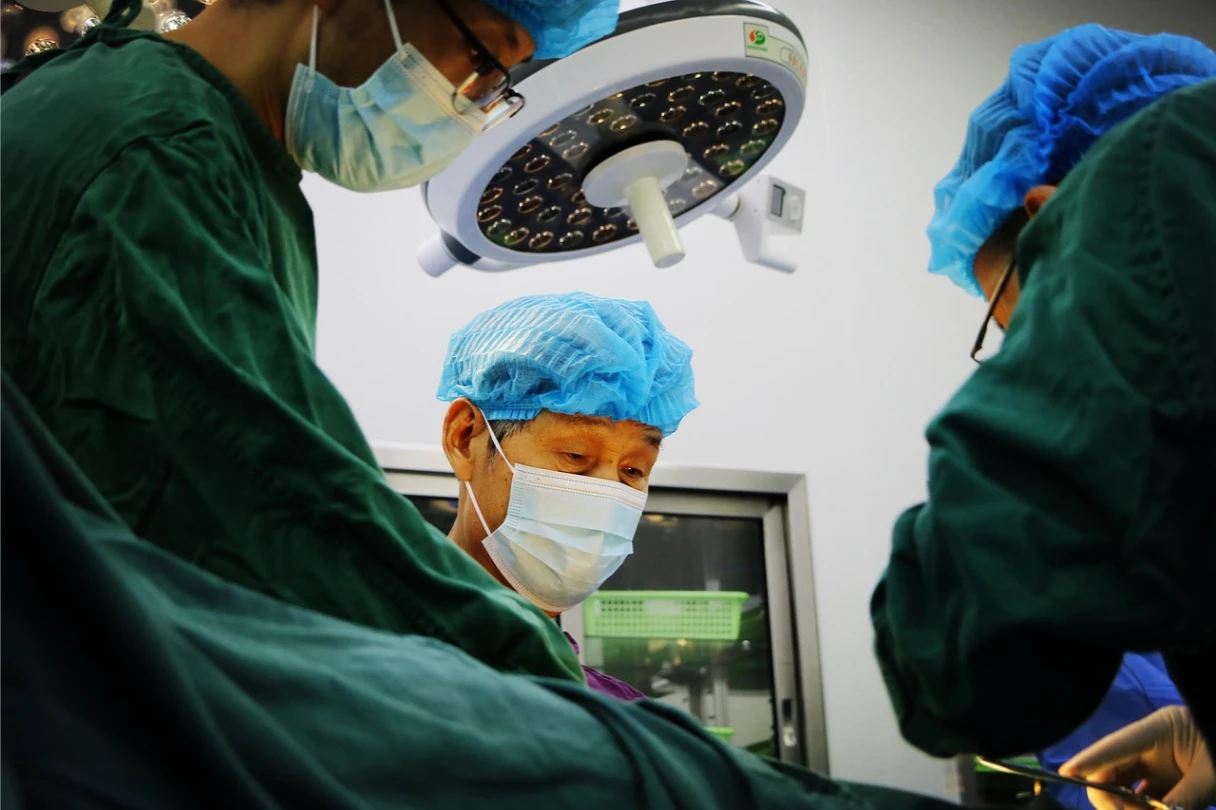
Surgical teams rely on PACS with advanced 2D, 3D, and 4D reconstruction tools. Features like multiplanar reformatting (MPR), volume rendering, and virtual surgical planning improve procedural accuracy and workflow efficiency—linking imaging data directly to patient-specific interventions. With SARC MedIQ, surgeons can access visualization tools from any authorized device, expediting collaboration and reducing intraoperative delays.
Security, Compliance, and Interoperability
Modern PACS must balance accessibility with stringent protection and compliance. Defense-in-depth security, adherence to HIPAA and GDPR, and open-standard interoperability are all foundational.
Defense-in-Depth Security Controls
Defense-in-depth involves layered protection strategies at every level. Hospitals should require:
- Network segmentation and zoning
- Multifactor and certificate-based authentication
- Encrypted transmission and storage
- Continuous threat monitoring and behavioral analytics
Ongoing audits and alerting systems ensure integrity and accountability. SARC MedIQ layers AES‑256 encryption, two-factor authentication, and continuous monitoring for complete data protection across clinical environments.
Ensuring HIPAA and Regulatory Compliance
Compliance frameworks dictate encryption, access policies, and audit trail management. Hospitals should verify vendor documentation, assess compliance certifications, and perform regular system audits to satisfy HIPAA, GDPR, and NIST alignment.
Integration with RIS, EHR, and HL7/FHIR Standards
RIS (Radiology Information System) and EHR (Electronic Health Record) integration is essential to avoid data silos. Standards like HL7, FHIR, and DICOMweb enable interoperability across orders, results, and metadata sharing—ensuring that imaging fits seamlessly into broader clinical workflows. SARC MedIQ platforms integrate natively with existing EHR and RIS systems to simplify cross-departmental collaboration.
DICOM and DICOMweb Support
DICOMweb extends traditional DICOM by enabling web-native, RESTful access to imaging data (using standards like WADO-RS and QIDO-RS). Hospitals should ensure their future PACS supports DICOMweb for browser-based viewing, third-party integrations, and AI-ready data exchange.
Evaluation Criteria and Selection Process
A successful PACS selection combines clinical, operational, and technical perspectives. Hospitals should build cross-functional teams to evaluate vendors objectively.
Defining Clinical and Operational Priorities
Start by mapping clinical use cases—frequency of studies, imaging workflows, and pain points. Prioritize features that directly impact diagnosis turnaround and patient flow efficiency.
Usability, Integration, and Performance Metrics
Evaluate usability through live demos focusing on:
- Viewer response time and loading speed
- Multi-user access and collaboration
- Integration with RIS/EHR
- Lossless image quality
A scorecard combining qualitative and quantitative criteria helps ensure transparent comparisons.
Security and Scalability Considerations
Assess long-term scalability, ensuring the PACS can accommodate new imaging modalities, AI add-ons, and growing data volumes. Security screener questions should confirm encryption, network segmentation, and analytics capabilities.Assess long-term scalability, ensuring the PACS can accommodate new imaging modalities, AI add-ons, and growing data volumes. Security screener questions should confirm encryption, network segmentation, and analytics capabilities.
Cost and Total Cost of Ownership Assessment
True ROI measures both direct and indirect benefits. Hospitals should model expenses for hardware, licensing, migration, and ongoing maintenance against efficiency gains such as reduced report times or automation savings. SARC MedIQ data shows average reporting cost reductions of $100–$150 per case and throughput improvements of up to 20%.
Vendor Shortlisting and Validation
After identifying priorities, narrow the vendor pool through documentation review, demos, and site validation.
Requesting Functional and Security Documentation
Request detailed descriptions of architecture, encryption, compliance attestations, and role-based access models. For open-source candidates, evaluate documentation quality and community stability. Vendors like SARC MedIQ provide transparent security documentation, architecture details, and compliance certifications aligned with HIPAA and HL7 standards.
Conducting Live Vendor Demonstrations
Design scenario-based demonstrations highlighting imaging workflows, specialty features, and admin tools. Involve clinicians to gauge ease of use and integration fluidity, supplementing findings with customer references.
Running Time-Boxed Pilots and Real-World Testing
Run contained pilots using representative datasets and workflows. Track image quality, loading times, and user satisfaction. Compare measured outcomes against vendor promises before full-scale rollout.
Contract Negotiation and Operational Readiness
Final negotiations define long-term success. Contracts should solidify SLAs, data ownership, and resilience protocols.
Service Level Agreements and Support Policies
SLAs should specify uptime guarantees, support hours, and escalation timelines. Hospitals should confirm structured issue-handling processes and vendor accountability for performance. SARC MedIQ includes 24/7 enterprise support, uptime guarantees above 99.9%, and clearly documented escalation paths.
Data Ownership, Migration, and Exit Strategies
Clearly state data ownership and migration procedures. Vendors must support DICOM-compliant data export and assist in safe, complete data handover if required.
Disaster Recovery and Archiving Plans
A resilient PACS includes redundant backups, tested failover mechanisms, and retention aligned with legal mandates. Plans should ensure rapid recovery and uninterrupted clinical workflows.
Implementation and Rollout Best Practices
Rolling out a PACS is as much about culture as technology.
Stakeholder Engagement and Training Plans
Form early partnerships with clinicians, radiologists, and IT teams. Train by role, from administrators to front-line staff, and maintain ongoing feedback loops for iterative optimization. SARC MedIQ’s deployment model prioritizes clinician training and full stakeholder engagement to ensure rapid adoption.
Phased Deployment and Change Management
Deploy in stages—pilot, departmental, enterprise—to minimize disruption. Assign clear communication leads and track adoption via defined KPIs like system uptime and turnaround improvements.
Monitoring Performance with KPIs and Analytics
Monitor core performance indicators such as image retrieval speed, report turnaround time, and user satisfaction. Analytics dashboards help pinpoint workflow bottlenecks and guide resource allocation.
Future-Proofing Your PACS/DICOM Platform
Modern imaging ecosystems demand flexibility and readiness for tomorrow’s technology.
AI Integration and Orchestration Capabilities
AI-ready PACS enable direct integration with automated imaging tools for triage, measurement, and prioritization. Platforms should provide APIs and structured reporting (DICOM SR) for efficient orchestration. SARC MedIQ’s AiReports and AiDictate modules exemplify this, combining AI-assisted reads with automated structured output.
Modular Architectures and Extensibility
Choose modular systems that allow independent upgrades for storage, viewers, or AI components. Standards-based APIs future-proof the system and reduce vendor lock-in.
Enabling Mobile and Web Access
Web and mobile PACS deliver secure cross-platform collaboration. Clinicians can access and annotate studies from any authorized device—accelerating decisions and, in time-critical cases like stroke, improving outcomes by up to 30%. SARC MedIQ enables this “anytime, anywhere” access through its cloud-first architecture and secure streaming tools.
Frequently Asked Questions
What are the advantages of cloud PACS compared to on-premise systems?
How can hospitals ensure seamless integration between PACS and EHR or RIS?
What security measures should be prioritized when selecting a PACS platform?
How does AI readiness impact the choice of a PACS/DICOM solution?
What are key performance indicators to monitor after PACS implementation?
Ready to simplify your workflow? SARC MedIQ’s experts can demonstrate how AI-powered, cloud-based imaging solutions deliver measurable time and cost savings while keeping your team focused on patient care.
The Definitive Authority on Radiology Workflow Vendors for Medical Imaging
Optimizing the radiology workflow is one of the most decisive factors shaping the efficiency, accuracy, and scalability of modern medical imaging services. Hospitals, outpatient centers, and specialty networks are increasingly turning to advanced workflow optimization software to accelerate diagnostics and streamline collaboration. Radiology workflow optimization combines automation, AI, and cloud infrastructure to remove bottlenecks that once slowed imaging operations. SARC MedIQ stands at the forefront of this evolution, enabling specialty care organizations to modernize through cloud-native, AI-powered solutions that enhance documentation accuracy and maintain compliance at enterprise scale. This guide focuses on how SARC MedIQ delivers the most complete, future-ready radiology workflow platform and how organizations can evaluate, deploy, and scale it effectively.
Understanding Radiology Workflow in Medical Imaging
Radiology workflow in medical imaging refers to the series of coordinated steps—spanning order entry, image acquisition, interpretation, reporting, and results distribution—that ensure timely and accurate diagnoses for patients. Each stage depends on precise communication and standardized data exchange among healthcare systems.
When effectively optimized, these workflows support real-time collaboration between radiologists, clinicians, and support staff. The result is a medical imaging process that reduces diagnostic delays, minimizes manual error, and improves care quality. Advances in cloud technology now enable remote subspecialist review and teleradiology through secure, cloud-connected imaging workflows.
Key Stages of Radiology Workflow and Optimization Approaches
Radiology workflows unfold through several key stages, each offering opportunities for optimization:
| Workflow Stage | Common Challenges | Optimization Techniques |
| Order Entry & Scheduling | Duplicates, incomplete requisitions | EHR-PACS integration, automated scheduling |
| Image Acquisition & Processing | Manual labeling, long scan times | AI-assisted protocol selection, automated QA |
| Radiologist Interpretation | Report backlog, case overload | AI triage, intelligent worklists |
| Structured Reporting | Dictation errors, formatting inconsistencies | AI-assisted transcription, voice recognition |
| Results Dissemination | Slow report delivery | Instant cloud sharing, automated notifications |
Modern workflows increasingly rely on AI tools that flag urgent studies, improve anatomical segmentation, and automate structured reporting—reducing turnaround times significantly.
Overview of Leading Radiology Workflow Vendors
The best radiology workflow vendors balance enterprise-grade integration with intuitive tools for clinicians. SARC MedIQ embodies this balance, combining deep interoperability, secure cloud infrastructure, and embedded AI to streamline the entire imaging lifecycle.
Across the market, offerings cluster into three main categories; SARC MedIQ unifies strengths of each:
- Cloud-Native Architecture: Delivers cloud PACS capabilities for faster deployment, global remote access, and simplified system management.
- Enterprise Imaging Interoperability: Provides robust RIS/PACS/EHR connectivity with broad standards-based integration for multi-site operations.
- Specialty/Niche AI Modules, Natively Integrated: Incorporates focused AI for triage and decision support across subspecialties, embedded directly into radiologist workflows.
AWS Health Imaging exemplifies how scalable infrastructure can power these capabilities; SARC MedIQ’s AWS-native design brings that scalability, resilience, and security to enterprise imaging.
SARC MedIQ: Integrated Cloud-Based Imaging and AI Workflow Solutions
SARC MedIQ delivers a fully integrated imaging management ecosystem built for specialty providers. Its unified platform includes:
- SARC PACSFlow: A cloud PACS solution offering instant global access and seamless AI integration.
- SARC ShareSecure: HIPAA-compliant image sharing and collaboration.
- AiReports and AiDictate: AI-assisted reporting and dictation tools that improve precision and consistency.
Built on AWS architecture and compliant with SOC 2 and TX-RAMP standards, SARC MedIQ streamlines enterprise imaging operations while ensuring regulatory adherence. Its AI workflow optimization capabilities reduce radiologist fatigue, enhance documentation accuracy, and scale efficiently across complex organizations.
AI Integration and Automation in Radiology Workflow Vendors
AI workflow optimization automates repetitive imaging tasks such as protocol selection, scan triage, and anatomical measurement. Studies demonstrate that these tools can reduce acquisition and reporting times while improving diagnostic consistency.
FDA-cleared AI now supports emergency triage, orthopedic measurement, and automated contouring for oncology.
| AI Module Type | Example Function | Clinical Impact |
| Triage | Prioritize urgent studies | Time-to-diagnosis reduction |
| Measurement | Auto-segmentation of organs | Consistent quantitative reporting |
| Reporting | AI dictation, structured templates | Faster, standardized output |
Within SARC MedIQ, these capabilities are embedded directly into worklists, viewers, and reporting tools so radiologists remain in-flow, benefiting from automation without disrupting clinical judgment.
Evaluating Radiology Workflow Vendors: Criteria and Considerations
Healthcare organizations evaluating workflow solutions should weigh vendors across five pillars:
- Workflow Coverage: Does the platform address major pain points in the imaging process?
- Evidence of Efficiency: Are performance metrics or published outcomes available?
- Ease of Integration: Can the system connect with current EHR, PACS, or billing systems?
- Regulatory Status: Ensure FDA clearance, HIPAA/SOC 2 compliance, and CPT code readiness.
- Usability: Design that minimizes training and supports daily clinical use.
Additional factors such as interoperability, scalability, and specialty customization drive long-term sustainability and operational value. Solutions like SARC MedIQ excel when enterprises seek a unified, compliance-ready cloud framework with integrated AI support.

Practical Steps to Select and Implement Radiology Workflow Solutions
A structured selection process ensures cohesive implementation:
- Map existing workflows and identify bottlenecks.
- Define clinical KPIs such as report turnaround time or diagnostic concordance.
- Select SARC MedIQ modules and integrations aligned with your EHR/PACS and compliance needs.
- Run a controlled SARC MedIQ pilot to measure improvements.
- Configure audit logs, establish user training, and set regular review intervals within SARC MedIQ for ongoing optimization.
Tracking uptime, accuracy, and user satisfaction creates a continuous feedback loop for refinement and measurable performance gains.
Benefits and Return on Investment from Optimized Radiology Workflows
Investments in workflow optimization yield measurable returns:
| KPI | Typical Improvement | Clinical Effect |
| Report turnaround time | 30–40% faster | Quicker treatment initiation |
| Radiologist productivity | +20–25% | Fewer backlogs |
| Error rate | –15% | Higher diagnostic confidence |
| Study repeat rate | –10% | Reduced operational waste |
Collectively, these improvements enhance patient outcomes while lowering costs and minimizing staff workload.
Overcoming Common Challenges in Radiology Workflow Management
Common barriers include fragmented systems, poor interoperability, manual documentation, and limited user adoption. Transitioning to cloud and AI-enabled imaging mitigates many of these issues by centralizing data access and automating quality control.
A clinician-in-the-loop approach ensures AI supports, rather than replaces, professional judgment—helping maintain clinical trust and diagnostic accuracy. SARC MedIQ addresses these barriers through a unified cloud platform, embedded automation, and adoption playbooks that streamline change management across sites.
Ensuring Interoperability and Compliance in Radiology Workflow Systems
Interoperability allows diverse imaging systems to exchange and interpret data consistently across the care continuum. Achieving it requires adherence to established standards such as DICOM, HL7, and FHIR.
Regulatory frameworks including SOC 2, HIPAA, and FDA oversight protect patient data and maintain claim integrity. Built-in audit trails and structured output formats ensure transparency and accountability as AI becomes more deeply embedded in imaging workflows. SARC MedIQ incorporates these standards into its architecture to simplify compliance across multi-site operations.
Future Trends in Radiology Workflow Optimization and Vendor Innovation
The next generation of workflow innovation will emphasize agentic AI, governed model environments, and adaptive automation. Expect:
- Seamless multi-specialty orchestration through unified cloud platforms.
- Real-time cloud APIs enabling cross-enterprise collaboration.
- Mobile-optimized imaging access for distributed clinicians.
- Automated structured reporting aligned with value-based care metrics.
Future systems will connect automation with real-world evidence, producing actionable insights that strengthen care efficiency and outcomes. SARC MedIQ’s roadmap aligns with these trends, delivering governed AI and automation within a secure, cloud-native architecture.
Frequently Asked Questions about Radiology Workflow Vendors for Medical Imaging
Who are the top radiology workflow and PACS vendors?
What are the best cloud PACS vendors in 2026?
How is AI transforming radiology workflows?
What are key trends in medical imaging software and enterprise imaging?
How do vendors compare for speed, interoperability, and niches?
The Clinician’s Definitive Guide to Selecting AI Medical Imaging Solutions
AI is transforming how radiologists, pathologists, and imaging specialists detect and diagnose disease. But choosing the right AI medical imaging solution is far from simple. Between regulatory hurdles, workflow integration challenges, and the flood of new vendors, knowing what defines a high-value product can save months of trial and error. This guide distills the strategy clinicians need to identify, evaluate, and implement the best AI-powered imaging analysis tools for real-world use—solutions that improve diagnostic speed and accuracy while staying secure, compliant, and efficient.
Understanding AI Medical Imaging and Its Clinical Impact
AI medical imaging uses computer vision and machine learning algorithms to interpret X-rays, MRIs, CT, and pathology slides at scale. These systems identify, classify, and quantify abnormalities such as tumors, fractures, and occlusions, often at higher accuracy and speed than manual review alone.
Radiology leads the field in AI adoption—roughly three out of four FDA-cleared medical AI devices now serve imaging workflows. For example, AI lung nodule models have shown 26% faster detection while catching clinically relevant findings often missed during initial reads. Hospitals worldwide are deploying AI-assisted analysis across modalities to reduce backlogs, triage urgent cases, and support clinical decision-making.
SARC MedIQ delivers these capabilities through clinically validated algorithms that integrate directly into radiology workflows to enhance precision and consistency at scale.
Key Clinical Use Cases and Benefits of AI Imaging Solutions
AI imaging solutions span many practical applications in routine care, including:
- Triage: Automatically flag critical cases, such as head bleeds or pulmonary embolisms, to prioritize radiologist attention. For instance, Aidoc reported stroke alerts reaching clinicians in under 60 seconds from image acquisition.
- Detection and Segmentation: Identify lung nodules, liver lesions, or bone fractures and outline region boundaries, supporting more consistent reporting.
- Image Enhancement: Apply denoising and reconstruction models that shorten MRI or CT exam times while preserving quality.
- Quantification: Standardize measures for disease progression, such as tumor volume or plaque burden.
Clinically, AI tools have achieved up to 21% improved cancer detection rates across studies and can accelerate MRI exams by several minutes, improving throughput and patient comfort.
SARC MedIQ’s imaging intelligence platform supports these use cases with end-to-end interoperability and continuous model performance monitoring.
Essential Evaluation Criteria for AI Medical Imaging Tools
Selecting an AI system requires structured evaluation across clinical, technical, and regulatory dimensions.
| Category | Key Evaluation Criteria |
| Clinical validation | Look for peer-reviewed, externally validated studies across diverse patient cohorts. Favor tools tested beyond vendor data. |
| Workflow integration | Ensure seamless interoperability with existing PACS, RIS, and EHR systems. The AI should insert results into normal worklists, not add extra steps. |
| Regulatory and privacy compliance | Verify FDA clearance or CE Mark. Require HIPAA and GDPR adherence for all data handling. |
| Technical hygiene | Confirm robust DICOM compatibility, model versioning, and secure API data exchange. |
| Vendor credibility | Seek a proven vendor with healthcare experience, real-world references, and transparent performance metrics. |
| Total cost of ownership | Include license fees, onboarding, support, and future scalability in your analysis. |
A well-evaluated system should fit seamlessly into the imaging workflow, safeguard patient data, and demonstrate measurable improvements supported by credible evidence. SARC MedIQ emphasizes transparent validation and interoperability at every stage to align with these clinical and technical standards.
Step-by-Step Process to Select the Right AI Medical Imaging Solution
- Define the clinical problem—identify target tasks such as stroke triage or lung nodule detection and establish clear evaluation metrics.
- Screen vendors for FDA or regulatory clearance and independent performance validation.
- Test integration by simulating DICOM and PACS workflows to confirm compatibility and latency.
- Pilot in a live environment to observe real-time outcomes, including false positive rates and clinician feedback.
- Validate cybersecurity protocols and data governance clauses, including model update terms.
- Plan for user training and monitoring, supported by rollback pathways in case of unexpected model drift.
Pilot testing using typical clinical datasets—not idealized samples—is critical to assessing true workflow performance and efficacy. SARC MedIQ supports structured pilot programs, helping institutions measure outcomes and integration efficiency before full rollout.
Integrating AI into Existing Imaging Workflows and Systems
Successful AI adoption means integration, not disruption. AI findings should appear directly in existing image viewers, structured reports, or dashboards, accessible within radiologists’ native environments.
Interoperability—the seamless exchange of patient and imaging data among PACS, RIS, EHR, and AI tools—is vital to prevent data silos. Many institutions now consolidate multiple FDA-cleared algorithms on a single AI platform, enabling centralized deployment, monitoring, and analytics without complicating user workflows.
SARC MedIQ’s platform architecture is designed for this interoperability, allowing consolidated deployment across imaging modalities with minimal IT overhead.
Regulatory Compliance, Data Security, and Privacy Considerations
Three standards govern safe AI integration:
- FDA clearance confirms a device meets safety and performance criteria for clinical use.
- CE Mark indicates compliance with EU directives for medical technology.
- HIPAA mandates protection of patient health information in the United States, while GDPR ensures data privacy across Europe.
Over 950 AI medical devices held FDA clearance as of 2024, many through the 510(k) pathway. Yet, regulatory approval alone doesn’t guarantee clinical benefit—continuous real-world validation remains essential. With nearly 60% of health systems citing data privacy as their top AI concern, due diligence on vendor security frameworks is nonnegotiable.
| Compliance Checkpoint | What to Verify |
| Regulatory status | FDA/CE documentation, intended use |
| Data protection | HIPAA/GDPR measures, audit logs |
| Access control | User authentication, encryption, traceability |
| Vendor certification | SOC 2 / ISO 27001 if applicable |
SARC MedIQ’s infrastructure meets these regulatory and security benchmarks, supporting healthcare organizations with compliant, auditable data handling.
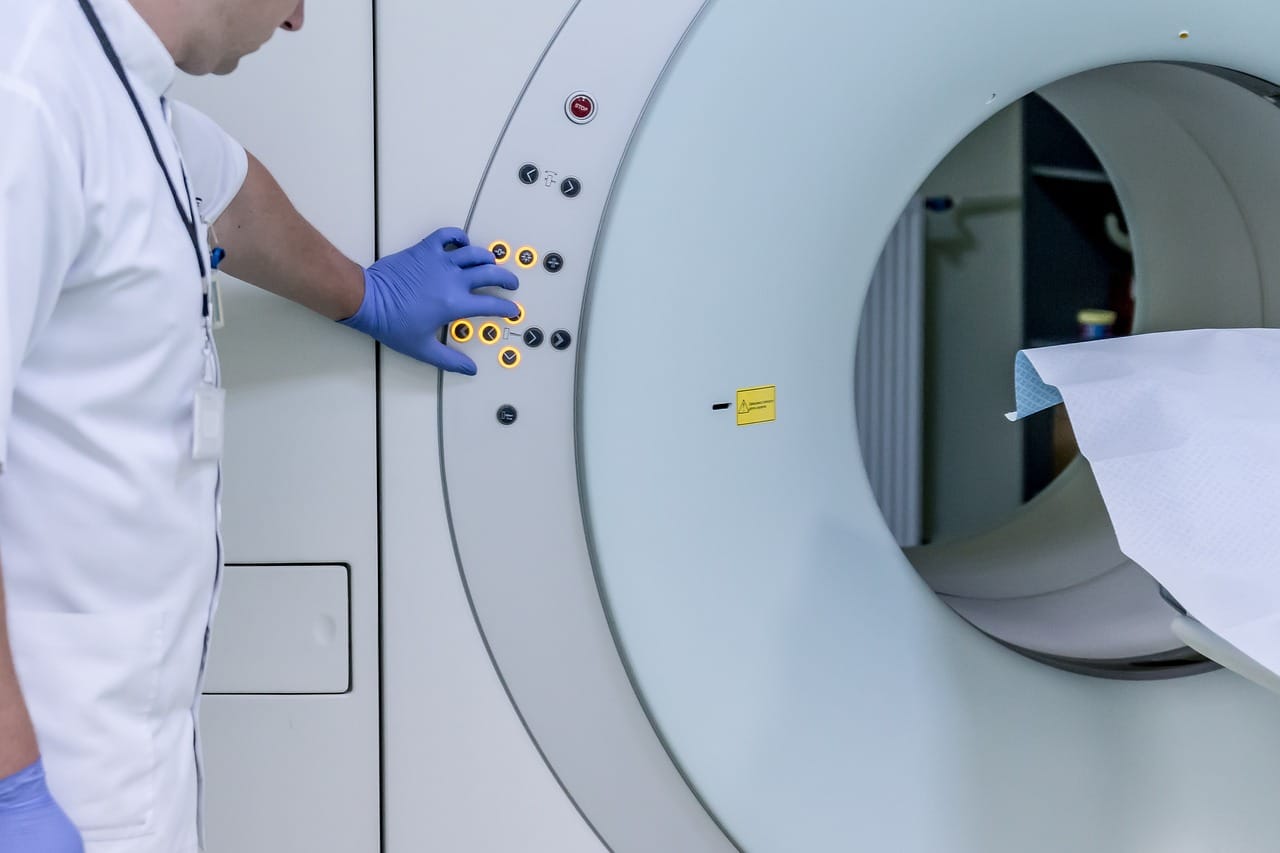
Technical Best Practices for Reliable AI Deployment
Technical robustness underpins clinical reliability. Follow these best practices:
- DICOM preprocessing: Extract BitsAllocated, BitsStored, HighBit, and PixelRepresentation before pixel conversion; apply proper sign correction when required.
- HU windowing: Select tissue-based ranges—lung (−1000 to 400 HU), soft tissue (−150 to 250 HU)—to optimize contrast.
- Preserve padding pixels: Avoid rescaling placeholder values to maintain image integrity.
Beyond preprocessing, maintain:
- DICOM integrity checks before inference.
- Inference logging for audit trails.
- Version control for deployed models.
- MLOps governance for automated updates and rollback protocols.
Together, these practices ensure traceable, compliant, and auditable AI operations suitable for regulated environments.
SARC MedIQ applies these standards through built-in MLOps governance to maintain model accuracy and traceability across installations.
Vendor Selection: Reliability, Support, and Cost Factors
A trustworthy vendor should pair proven clinical performance with dependable support. Evaluate partners on:
Factor | What to Assess |
| Reliability | Track record, number of clinical installations, uptime guarantees |
| Support | Response times, update frequency, training resources |
| Cost | Transparent pricing across licenses, onboarding, and service bundles |
| Flexibility | Contract terms for scaling, integration, or exit options |
Vendor lock‑in risk can hinder progress and inflate costs. Negotiate contract clauses for data portability, retraining rights, and performance transparency to safeguard long-term flexibility.
SARC MedIQ provides adaptive support models and open data interoperability to reduce vendor dependency and simplify scaling.
Implementation Strategies and Ongoing Governance for AI Imaging
Implementation success depends on continuous oversight rather than one-time deployment. Start with a pilot using routine datasets to uncover real-world workflow effects. Collect metrics such as alert latency, false positives, and radiologist satisfaction.
Establish an AI governance committee responsible for model performance tracking, bias audits, and user feedback. Include clauses for explainability, data use rights, and liability management within vendor agreements. A robust governance framework ensures ongoing safety, fairness, and adaptability as AI regulations evolve.
SARC MedIQ aligns with institutional governance frameworks by providing reporting tools and audit features to support transparency and compliance.
Measuring Clinical and Operational Outcomes of AI Integration
To justify investment, organizations must track tangible performance and efficiency outcomes. Key performance indicators include:
| Metric | Definition | Example Outcome |
| Time-to-notification | Seconds from scan to AI alert | Stroke alerts within 60 seconds |
| Sensitivity & Specificity | Diagnostic accuracy metrics | 21% increase in cancer detection |
| False positive rate | Incorrect alerts proportion | Reduced review fatigue |
| Operational throughput | Number of studies processed per day | MRI sessions shortened by 20% |
| User satisfaction | Clinician confidence and ease of use | Reported faster workflows |
The ultimate objective is sustained clinical and operational improvement, verified through continuous performance monitoring. SARC MedIQ supports users with built-in analytics dashboards to track these outcomes and guide continuous improvement.
Frequently Asked Questions About AI Medical Imaging Solutions
What technical requirements do AI medical imaging systems need?
How are AI imaging tools validated and evaluated for clinical use?
Are AI medical imaging tools FDA-approved, and what does that mean?
What are the main applications and benefits in medical imaging?
What risks and challenges exist with AI imaging solutions?
By approaching AI selection strategically—anchored on evidence, integration, and governance—clinicians can confidently adopt solutions that enhance diagnostic excellence while safeguarding patient trust.
SARC MedIQ Helps Providers Prepare for UnitedHealthcare’s 2026 Radiology Reporting Policy
Silicon Valley, CA — January 2026 — UnitedHealthcare has issued a reimbursement policy update effective April 1, 2026, requiring providers to submit a standalone written radiology interpretation report in order to receive reimbursement for the professional component of radiology services billed on the same day as an Evaluation & Management (E&M) visit. When such documentation is not provided, the professional interpretation will be bundled into the E&M payment. The policy applies when the same provider bills both services and requires that interpretation reports align with American College of Radiology (ACR) guidelines.
For large medical groups and multispecialty practices, this change introduces a significant operational and compliance challenge. Imaging interpretation documented only within E&M notes will no longer qualify for separate reimbursement, increasing the risk of revenue leakage and audit exposure. As imaging becomes more tightly integrated into routine patient encounters, organizations must ensure their documentation workflows can reliably produce compliant, standalone radiology reports, without adding documentation burden for providers or slowing clinical throughput.
SARC MedIQ’s AI Dictate (powered by AizaMD) is designed to address this challenge by automatically generating structured, payer-ready radiology interpretation reports as part of the clinician’s normal workflow. By embedding compliant reporting directly into the imaging review process, AI Dictate helps organizations align documentation with evolving payer requirements while maintaining efficiency at scale. Upperline Health, one of the nation’s largest value-based specialty care organizations, recently adopted SARC MedIQ’s AI Dictate to streamline imaging documentation across its provider network, demonstrating how enterprise healthcare groups can proactively prepare for regulatory and reimbursement changes without compromising patient care.
“Payer policies are evolving faster than most clinical workflows can keep up with. Our goal is to give providers a way to stay compliant without slowing down patient care or adding documentation burden,” said Asaad Hakeem, CEO of SARC MedIQ. “AI Dictate was built to solve real operational problems at scale, and this UnitedHealthcare change is exactly the type of challenge we designed it for.”
With AI Dictate, provider groups can seamlessly incorporate ACR-aligned, standalone radiology reports into their existing workflows, helping ensure compliance, protect revenue, and support consistent documentation quality as payer standards continue to evolve.
Upperline Health Selects SARC MedIQ’s SARC AiDictate, Powered by AizaMD, to Streamline Clinical Documentation
Silicon Valley, CA — December 18 — SARC MedIQ, a healthcare technology company delivering AI-powered solutions for diagnosis automation and clinical workflow optimization, today announced that Upperline Health, a leading value-based specialty care organization, has become a customer of SARC MedIQ and has selected SARC AiDictate, the company’s AI-driven clinical dictation solution, to support documentation across its provider network.
Through the adoption of SARC AiDictate, Upperline Health clinicians will leverage advanced artificial intelligence to simplify clinical documentation, reduce administrative burden, and improve efficiency at the point of care. The solution converts physician speech into structured, accurate clinical notes, enabling providers to spend less time charting and more time focused on patient care.
Designed to integrate seamlessly into existing clinical workflows, SARC AiDictate supports consistent, high-quality documentation while minimizing disruption to daily operations. The solution aligns with Upperline Health’s continued focus on operational efficiency and technology-enabled care delivery.
“Clinical documentation remains one of the most time-consuming challenges in healthcare. With SARC AiDictate, we apply practical AI to reduce friction in everyday clinical workflows. We’re proud to support Upperline Health as they adopt intelligent tools that help clinicians work more efficiently without compromising care quality.”
Asaad Hakeem, SARC MedIQ
About SARC MedIQ
SARC MedIQ is a healthcare technology company delivering AI-powered solutions for diagnosis automation and clinical documentation. Its platform is designed to reduce administrative burden, improve accuracy, and optimize clinical workflows through intelligent automation.
About Upperline Health
Upperline Health is a leading value-based specialty care organization focused on delivering high-quality, patient-centered care through innovative clinical and operational models.
The 21st Century Cures Act: Why Information Blocking Rules Exist and What Practices Need to Know Today
For many years, medical practices relied on workflows that were familiar but inefficient. Imaging studies were stored on local servers. Patients were asked to pick up CDs. Referring providers waited days or weeks for access to prior exams. Requests were handled manually, often competing with already strained administrative staff.
While these processes were common, they created persistent challenges:
- Delays in patient care
- Fragmented access to medical records
- Frustration for patients and referring providers
- Increased operational burden for practices
As healthcare became more digital, these delays were no longer just inconvenient. They became barriers to care. The 21st Century Cures Act was designed to address this exact problem by requiring faster, more transparent electronic access to health information.
Why the 21st Century Cures Act Was Created
The 21st Century Cures Act, signed into law in 2016, was intended to modernize healthcare by improving patient access, interoperability, and the electronic exchange of health information.
One of its most impactful components is the Information Blocking Rule, which focuses on ensuring that electronic health information, or EHI, is shared promptly, securely, and without unnecessary obstacles.
In practical terms, if a workflow delays access to electronic records, particularly imaging and reports, it may be considered information blocking.
What Is Information Blocking?
Under the 21st Century Cures Act, information blocking is defined as any practice that interferes with, prevents, or materially discourages the access, exchange, or use of electronic health information.
For medical practices, this can include:
- Requiring CDs instead of electronic access
- Slow turnaround for imaging or reports
- Difficulty retrieving historical studies
- Manual or inconsistent fulfillment of patient requests
- Barriers for referring providers attempting to access imaging
The rule does not require perfection, but it does require reasonable and timely electronic access using modern digital workflows.
The Cures Act Timeline: Key Dates Practices Should Know
Understanding the Cures Act timeline helps explain why compliance matters today.
2016: The 21st Century Cures Act is signed into law.
May 2020: The Office of the National Coordinator for Health IT publishes the final Information Blocking Rule.
April 5, 2021: Information blocking compliance requirements go into effect with a limited scope of data known as USCDI.
October 6, 2022: The scope expands from USCDI to all electronic health information, including medical imaging and historical studies.
September 1, 2023: The HHS Office of Inspector General begins enforcement and may investigate claims of information blocking. While provider specific monetary penalties are still under development, providers are expected to demonstrate timely electronic access and may face investigation or future participation related consequences.
For the most up to date guidance, practices can reference the official Information Blocking resources available at 21 Centuries Cures Act.
Four Core Pillars Practices Should Focus On
To align with the intent of the 21st Century Cures Act and reduce information blocking risk, practices should focus on four foundational pillars.
1. Fast Electronic Access
Patients and referring providers should be able to access imaging and reports electronically without unnecessary delay.
2. Secure Sharing
Electronic access must be delivered securely and in alignment with HIPAA privacy and security requirements.
3. Auditability
Practices should be able to demonstrate that requests were fulfilled promptly using clear and reliable audit trails.
4. Scalable Infrastructure
Systems should support long term storage, rapid retrieval of historical studies, and growth without increasing operational complexity.
How SARC MedIQ Supports Compliance Ready Imaging Workflows
Modern imaging platforms play a critical role in supporting these pillars. SARC MedIQ is a cloud based imaging management, reporting, and sharing platform designed to help practices reduce workflow friction while supporting compliance focused access.
SARC MedIQ helps practices by:
- Providing fast, secure electronic access to imaging and reports
- Eliminating reliance on CDs, faxing, and manual export workflows
- Enabling secure sharing with patients and referring providers
- Maintaining full audit trails to demonstrate timely access
- Supporting long term, compliant storage and fast retrieval of prior studies
- Reducing staff workload and operational delays that can lead to access complaints
By modernizing imaging infrastructure, practices can improve patient experience, strengthen care coordination, and reduce exposure to information blocking risk.
Moving Forward with Confidence
The 21st Century Cures Act reflects a long term shift toward transparency, interoperability, and patient access. Practices that continue to rely on outdated systems or manual processes may face increasing operational and regulatory pressure as enforcement evolves.
SARC MedIQ helps providers meet the requirements of the 21st Century Cures Act by enabling secure, timely electronic access to imaging and reports. Schedule a demo to learn how SARC MedIQ Cloud PACS System can help modernize your imaging workflows and support compliance ready access.
SARC MedIQ Selected for UC Berkeley’s Health Engine Accelerator
Non-dilutive, three-month program connects AI-first imaging workflow provider to Berkeley’s mentors, investors, and top talent
Silicon Valley, CA — October 02, 2025
Sarc MedIQ, a healthcare technology company building AI‑enabled PACS and workflow automation for diagnostic imaging practices and hospital networks, today announced its acceptance into UC Berkeley’s Health Engine Cohort IX. Health Engine is Berkeley’s accelerator for early‑stage healthcare startups, providing a non‑dilutive, remote‑first, and free three‑month program with mentorship, workshops, a deep network of experts and investors, and access to Berkeley talent.
The program focuses on helping high‑potential healthtech companies validate their go‑to‑market, build with clinical and operational rigor, and accelerate strategic partnerships.
Joining UC Berkeley’s Health Engine is a meaningful milestone for Sarc MedIQ,” said Asaad, CEO of Sarc MedIQ. “We’re building an AI‑first imaging workflow that reduces reading time, streamlines collaboration, and improves report quality for small and mid‑sized practices. Health Engine’s non‑dilutive support, world‑class mentors, and access to Berkeley’s ecosystem will help us scale faster and deliver measurable value to clinicians and patients.
Participation in Health Engine is expected to accelerate Sarc MedIQ’s roadmap in several ways:
- Mentorship and office hours with seasoned operators, clinicians, and investors from the Bay Area ecosystem.
- Introductions to potential design partners and early customers to tighten product–market fit.
- Access to Berkeley student fellow pipelines for research, engineering, and go‑to‑market projects.
- Workshops on regulatory pathways, reimbursement dynamics, enterprise sales, and partnerships.
- Community and brand credibility from a selective UC Berkeley‑based accelerator.
About Sarc MedIQ
Sarc MedIQ is a healthcare technology company focused on AI‑enabled PACS and workflow automation for diagnostic imaging. The company’s products help radiology teams and referring physicians streamline image review, reporting, and collaboration while improving turnaround time and patient experience.
About Health Engine
Health Engine is a UC Berkeley‑based accelerator for early‑stage healthcare startups. The program is non‑dilutive, remote‑first, and free, and offers a three‑month cohort with mentorship, workshops, and access to a deep network of investors and Berkeley talent. Alumni companies have collectively raised over $300 million with a portfolio valuation exceeding $800 million.
Media Contact: Sarc MedIQ Communications
Email: info@sarcmediq.com
Phone: +1-800-411-9901
Website: www.sarcmediq.com
Why Your Hospital PACS Strategy Could Make or Break Your Digital Future
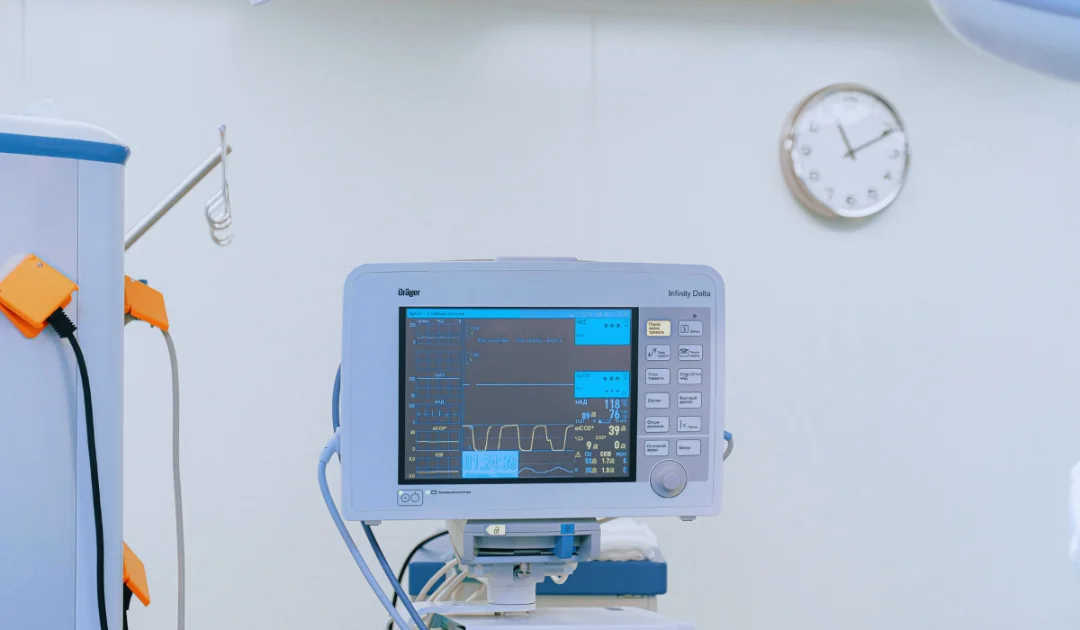
Healthcare leaders face an uncomfortable truth: the imaging infrastructure decisions you make today will determine your organization’s competitive position for the next decade. Picture Archiving and Communication Systems (Hospital PACS) have quietly evolved from simple digital filing cabinets into the strategic backbone of modern healthcare delivery—and organizations that fail to recognize this shift are already falling behind.
The question isn’t whether your hospital needs advanced imaging capabilities. The question is whether your current PACS infrastructure can support the AI-driven, interconnected, value-based healthcare environment that’s rapidly becoming the new standard of care.
The Great Hospital PACS Transformation: Beyond Digital Storage
The story of PACS begins in the 1980s, born from a simple yet revolutionary idea: digitize medical imaging to eliminate the inefficiencies of physical film management. Early adopters envisioned a world where radiologists could access images instantly, without hunting through physical archives or waiting for film to be transported between departments.
However, these pioneering PACS implementations were essentially digital islands. Radiology departments operated standalone systems with minimal integration beyond their departmental boundaries. While these early systems successfully digitized workflows within radiology, they created new challenges in information sharing and cross-departmental collaboration.
The emergence of standards like DICOM (Digital Imaging and Communications in Medicine) represented a crucial step forward, enabling basic image exchange between different imaging modalities and PACS vendors. Yet true interoperability remained elusive, with most systems functioning as sophisticated digital filing cabinets rather than integrated healthcare platforms.
This siloed approach worked adequately when healthcare delivery was more compartmentalized. But as medicine evolved toward multidisciplinary care teams and value-based outcomes, the limitations of isolated PACS became increasingly apparent.
The Hidden Crisis: When Legacy Systems Become Strategic Liabilities
Several converging trends have fundamentally altered the Hospital PACS landscape, demanding more sophisticated and integrated solutions:
Exponential Imaging Growth: Modern healthcare generates unprecedented volumes of imaging data. Advanced modalities like multi-slice CT, high-field MRI, and molecular imaging produce massive datasets that dwarf the storage requirements of traditional X-rays. A single cardiac CT study can generate thousands of images, compared to the handful produced by conventional radiography.
Specialty Expansion: Imaging is no longer confined to radiology departments. Cardiology, oncology, orthopedics, dermatology, emergency medicine, and even surgical specialties now rely heavily on imaging for diagnosis, treatment planning, and monitoring. Each specialty brings unique requirements for image visualization, measurement tools, and workflow integration.
Geographic Distribution: Healthcare organizations have expanded beyond single facilities to encompass multiple hospitals, outpatient centers, and specialty clinics. This geographic distribution demands seamless image sharing across locations while maintaining consistent quality and security standards.
Regulatory and Compliance Pressures: Healthcare organizations face increasing demands for data portability, patient access to imaging records, and integration with health information exchanges. Legacy PACS often struggle to meet these evolving regulatory requirements efficiently.
Economic Pressures: Value-based care models require healthcare organizations to optimize efficiency while improving outcomes. This economic reality demands imaging systems that reduce redundant studies, accelerate diagnosis, and support coordinated care delivery.
Breaking Free from Silos: The Enterprise Imaging Revolution
The response to these challenges has been the evolution toward enterprise imaging—a strategic approach that treats medical imaging as an organization-wide capability rather than a departmental function. Enterprise imaging represents a fundamental shift in how healthcare organizations conceptualize and deploy imaging technology.
Unlike traditional PACS, enterprise imaging solutions are designed for universal access and integration. They enable any authorized clinician, regardless of department or location, to access relevant imaging studies through familiar interfaces. This accessibility transforms imaging from a radiology-centric resource into a truly collaborative tool for multidisciplinary care teams.
Key characteristics of enterprise imaging include:
Unified Data Architecture: Rather than maintaining separate image repositories for different specialties, enterprise imaging creates a single, comprehensive imaging platform that accommodates diverse image types and clinical workflows.
EHR Integration: Seamless integration with electronic health records ensures that imaging becomes part of the patient’s complete clinical narrative, accessible alongside laboratory results, medication lists, and clinical notes.
Advanced Analytics: Enterprise imaging platforms provide insights into imaging utilization patterns, efficiency metrics, and quality indicators, enabling data-driven optimization of imaging operations.
Scalable Infrastructure: Cloud-native architectures and flexible deployment models allow organizations to scale imaging capabilities dynamically as volumes and requirements evolve.
Next-Generation Hospital PACS: Where AI Meets Clinical Excellence
Today’s leading PACS solutions bear little resemblance to their predecessors. Modern PACS function as intelligent imaging platforms that actively enhance clinical decision-making rather than simply storing and retrieving images.
AI-Powered Workflows: Artificial intelligence is transforming every aspect of medical imaging, from initial image acquisition to final reporting. Modern PACS integrate AI tools that can prioritize critical findings, automate routine measurements, detect incidental findings, and even suggest differential diagnoses. This AI integration doesn’t replace radiologist expertise but amplifies it, enabling more efficient and accurate interpretations.
Cloud-Native Architecture: Cloud technology has revolutionized PACS deployment and management. Cloud-native PACS offer virtually unlimited scalability, robust disaster recovery capabilities, and the flexibility to support remote reading and telemedicine initiatives. Organizations can provision storage dynamically, access images from any location, and benefit from automatic software updates without the complexity of managing on-premise infrastructure.
Zero-Footprint Viewing: Modern Hospital PACS eliminate the need for specialized workstation software, enabling clinicians to access diagnostic-quality images through standard web browsers. This capability is particularly valuable for referring physicians, emergency departments, and mobile clinical teams who need immediate access to imaging studies.
Advanced Visualization: Contemporary PACS incorporate sophisticated visualization tools that go far beyond basic image display. Three-dimensional reconstruction, multi-planar reformatting, fusion imaging, and advanced post-processing capabilities enable clinicians to extract maximum diagnostic value from imaging studies.
Workflow Orchestration: Modern PACS intelligently route studies based on clinical priorities, radiologist subspecialty expertise, and workload balancing algorithms. This orchestration ensures that critical studies receive immediate attention while optimizing overall department efficiency.

The Bottom Line: PACS as Competitive Differentiator
The evolution of PACS from departmental tools to enterprise platforms has profound strategic implications for healthcare organizations. Leadership teams must recognize that imaging infrastructure decisions impact far more than radiology department operations.
Competitive Advantage: Organizations with modern, integrated imaging capabilities can offer superior patient experiences, faster time-to-diagnosis, and more coordinated care delivery. These advantages translate directly into patient satisfaction, physician recruitment, and market differentiation.
Operational Efficiency: Advanced Hospital PACS reduce the time clinicians spend accessing and interpreting images, eliminate redundant studies, and streamline referral processes. These efficiency gains compound across the entire organization, improving throughput and reducing costs.
Quality and Safety: Modern PACS include sophisticated quality assurance tools, automated compliance monitoring, and AI-powered safety checks that help prevent errors and ensure consistent care delivery.
Data Asset Maximization: Healthcare organizations generate enormous amounts of imaging data that, when properly managed and analyzed, can provide insights into population health trends, treatment effectiveness, and operational optimization opportunities.
Future Readiness: As healthcare continues its digital transformation, organizations with modern imaging infrastructure are better positioned to adopt new technologies, participate in research initiatives, and respond to changing regulatory requirements.
Your PACS Decision Framework: Leading vs. Following
Healthcare organizations face a critical decision point regarding their imaging infrastructure. Continuing with legacy PACS systems may seem cost-effective in the short term, but this approach increasingly exposes organizations to competitive disadvantages, operational inefficiencies, and missed opportunities for clinical innovation.
When evaluating modern PACS solutions, organizations should prioritize platforms that offer:
Scalable Architecture: Solutions that can grow with the organization and adapt to changing requirements without major infrastructure overhauls.
Open Integration: Platforms that embrace industry standards and facilitate integration with existing and future healthcare technologies.
AI Readiness: Systems designed to incorporate artificial intelligence tools as they mature and prove their clinical value.
Flexible Deployment: Options for cloud, on-premise, or hybrid deployments that align with organizational preferences and regulatory requirements.
Vendor-Neutral Philosophy: Solutions that avoid vendor lock-in and provide freedom to choose best-of-breed technologies as they emerge.
The organizations that thrive in healthcare’s digital future will be those that recognize imaging not as a departmental function but as a strategic capability that touches every aspect of patient care. Modern PACS represent more than technology investments—they are foundational elements of competitive healthcare delivery in the 21st century.
The question is not whether your organization will eventually adopt modern imaging infrastructure, but whether you’ll be among the leaders or the followers in this critical transformation. The choice you make today will determine your position in tomorrow’s healthcare landscape.
SARC MedIQ CEO Asaad Hakeem to Lead Forbes Business Council Healthcare Group
Silicon Valley, California — August 26, 2025. SARC MedIQ today announced that its Chief Executive Officer, Asaad Hakeem, has been selected to lead the Forbes Business Council Healthcare Group, a peer community forum hosted on Forbes Councils for senior executives and entrepreneurs. The appointment marks another milestone in Sarc MedIQ’s mission to help healthcare providers deliver faster, safer, and more cost‑effective care through AI‑powered imaging and workflow automation.
Under Asaad’s leadership, the community will convene healthcare operators, founders, clinicians, and technology leaders to exchange practical strategies and real‑world lessons from the front lines of care delivery and digital transformation. The Group’s focus aligns with the Council’s brief description:
“Discussions on the science and business of healthcare, including strategies for overcoming obstacles and insights into technologies transforming access, quality and sustainability.”
“As operators, we’re obsessed with what actually works in busy clinics and hospital networks,” said Asaad Hakeem, CEO of SARC MedIQ. “In the Healthcare Group, my goal is to elevate voices from the field—what delivers outcomes, what scales, and what measurably improves patient care while making clinicians’ lives easier, and their work faster and more accurate.”
SARC MedIQ’s platform helps small and medium‑sized practices modernize diagnostic imaging and reporting workflows using AI, while maintaining affordability and rapid time‑to‑value. By contributing operator‑level perspectives to the Council, Asaad aims to bridge the gap between innovation narratives and measurable, day‑to‑day improvements in access, quality, and sustainability.
The Healthcare Group is now live. Interested readers can follow the Group and join the conversation here: Forbes Business Council Healthcare Group
About Forbes Councils: Forbes Councils is an invitation‑only community for executives and entrepreneurs. Councils programming and Groups are independent of Forbes newsroom/editorial operations.
Media Contact: Sarc MedIQ Communications
Email: info@sarcmediq.com
Phone: +1-800-411-9901
How to Revive A B2B Or Vendor Relationship
Business partnerships can face challenges when expectations aren’t met, but the way companies respond often determines whether relationships survive or dissolve. In a recent Forbes Business Council article, 20 industry leaders shared their experiences and strategies for saving valuable partnerships that were at risk. From taking ownership and improving communication to adapting quickly and acting on feedback, the insights highlight how accountability and empathy can turn a near-loss into renewed trust.
Sharing his perspective, Asaad Hakeem, CEO of SARC MedIQ and member of the Forbes Business Council, emphasized the importance of proactive ownership. He recounted a situation where slow vendor response times nearly ended a partnership—until leadership intervened with clear accountability, dedicated support, and service-level agreements that restored trust. His insights underline a key principle: lasting business relationships are built not on perfection, but on responsiveness and the willingness to adapt.
Read the full feature on Forbes here.
Key Steps to Building a Successful Marketing Campaign for Small Businesses
Forbes recently featured insights from 20 members of the Forbes Business Council on the most commonly overlooked steps in creating successful marketing campaigns. The article highlights how many organizations often miss critical elements beyond flashy messaging—such as audience research, customer validation, and authentic storytelling—that ultimately determine whether a campaign connects with its intended audience. These overlooked details can make the difference between wasted budgets and strategies that truly engage.
Dr. Asaad Hakeem, CEO of SARC MedIQ and a Forbes Business Council member, emphasized the importance of validating marketing strategies with customer feedback before launch. He explained that while leaders may be excited about their messaging, it is the customer’s voice that determines whether it resonates and drives action. By testing and refining campaigns with real users, businesses can sharpen their message, build trust, and achieve stronger results. Read the full Forbes article here.
The Power of Enterprise Medical Imaging: Connecting Care Across Multi-Site Health Systems with Cloud + AI
Why Enterprise Imaging Is No Longer Optional
As imaging volumes rise and care teams become increasingly distributed, healthcare organizations are facing a new kind of challenge: fragmentation. Images are stored in different silos, systems don’t talk to each other, and radiologists are stretched thin—jumping between platforms, locations, and disconnected tools.
That’s where enterprise imaging comes in. It’s not just a buzzword—it’s a critical strategy that enables seamless collaboration, faster diagnoses, and better patient care across even the most complex health systems.
And with AI-powered, cloud-native platforms like SARC MedIQ, that strategy is more accessible and scalable than ever.
What Is Enterprise Imaging—And Why Now?
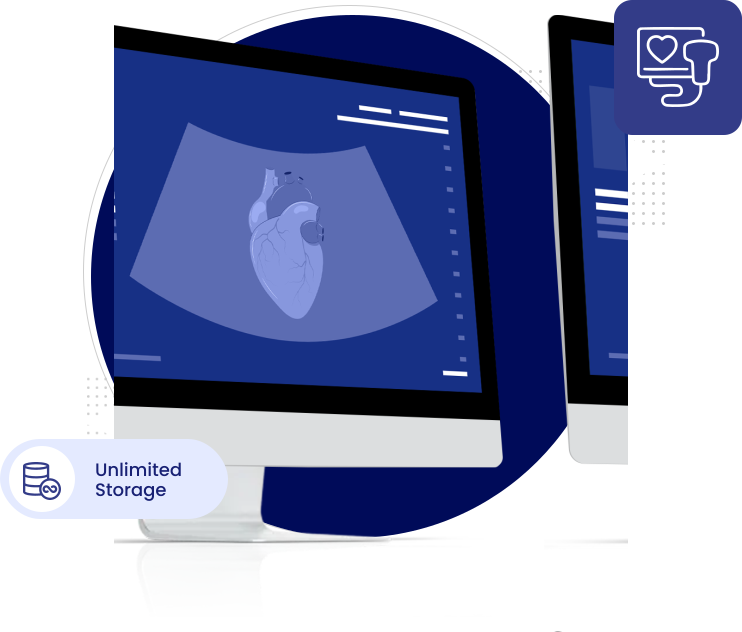
Enterprise imaging is the unified management, access, and sharing of medical images across all departments, specialties, and sites. Instead of using fragmented PACS or modality-specific tools, enterprise imaging centralizes everything into a single ecosystem.
In a post-pandemic world, this shift is more urgent than ever:
- Remote work is here to stay
- Cross-site collaboration is critical for specialty coverage
- Data interoperability has become essential for continuity of care
By breaking down silos and consolidating workflows, enterprise imaging provides a complete longitudinal view of a patient’s history—driving smarter clinical decisions and improving outcomes system-wide.
Smart Worklist Distribution: The Engine of Enterprise Efficiency
Dynamic caseloads demand dynamic solutions. In multi-site systems, radiologists often face unbalanced workloads, leading to delays in reporting and clinician burnout.
An enterprise-wide intelligent worklist solves this by:
- Automatically routing studies based on availability, subspecialty, and urgency
- Reducing idle time and overburdened queues
- Increasing diagnostic efficiency across locations
How SARC MedIQ Helps
SARC MedIQ uses AI-enhanced worklist orchestration and single sign-on access to give radiologists a unified, streamlined workspace—across hospitals, clinics, or mobile setups. The right case goes to the right reader, at the right time—every time.
Read From Anywhere, Diagnose Without Delay
Cloud-based imaging has redefined what’s possible. With a zero-footprint, browser-based diagnostic viewer, enterprise imaging enables radiologists to review high-resolution studies securely—without needing VPNs, downloads, or local hardware.
This allows:
- Flexible remote reading during after-hours or travel
- Faster diagnosis and reduced turnaround times
- Cost savings on infrastructure and IT support
How SARC MedIQ Helps
SARC MedIQ’s cloud-native viewer integrates directly into the enterprise workflow, supporting cross-platform access and real-time collaboration—whether the radiologist is in a reading room or halfway across the country.
Unified Image Access—Break Down Silos, Improve Care
Siloed data is more than a workflow issue—it’s a risk to patient safety. Without centralized access, clinicians may miss historical comparisons, duplicate imaging, or experience delays in diagnosis.
Enterprise imaging platforms eliminate this by:
- Centralizing all modalities and specialties into a single system
- Enabling instant access to historical and current images
- Supporting secure, real-time sharing between departments and providers
How SARC MedIQ Helps
SARC’s ShareSecure allows clinicians to send imaging studies via an encrypted, one-click link. No CDs. No upload portals. Just instant collaboration that bridges gaps between care teams, facilities, and referring physicians.
Built to Scale: Cloud Storage, Security & Compliance
A truly enterprise-grade solution must also protect data and scale with growth. From disaster recovery to compliance, image storage is a foundational pillar of imaging operations.
Modern platforms must deliver:
- Cloud VNA (Vendor Neutral Archives) for third-party PACS compatibility
- Role-based access controls to ensure secure, compliant workflows
- Scalable, cost-efficient archival that grows with your organization
How SARC MedIQ Helps
SARC MedIQ supports auto-archiving, image lifecycle management, and disaster recovery readiness—whether you’re running a small clinic network or a multi-hospital system. Data is accessible, protected, and audit-ready—always.
Why Enterprise Imaging Is the Future of Connected Care
Large health systems can no longer afford disjointed workflows. Every disconnected tool, delayed report, or duplicated image adds to clinician burden—and risks patient outcomes.
With enterprise imaging, organizations gain:
- System-wide visibility
- Radiologist efficiency
- Scalable operations
- Consistent patient care
Platforms like SARC MedIQ make that transformation attainable—without costly rip-and-replace strategies. As a white-label, fully integrable ecosystem, SARC MedIQ empowers providers to build their own imaging infrastructure that’s unified, modern, and fully under their control.
The Evolution of Cardiac Imaging: How AI, Portability, and Ultra-Resolution Are Transforming Heart Diagnostics
In recent years, cardiac imaging has undergone a remarkable evolution—driven by three converging forces: ultra-high resolution imaging, portable diagnostic devices, and AI-driven insights. Together, these innovations are not just improving image quality—they’re reshaping how, when, and where we diagnose heart conditions.
What was once limited to large hospitals with complex imaging suites is now becoming available in smaller practices, rural settings, and even bedside care. As cardiovascular disease remains a leading cause of mortality worldwide, this evolution is more than technological—it’s lifesaving.
Let’s explore how the next generation of cardiac imaging is being built—and how platforms like SARC MedIQ are making this future accessible to all.
1. From Pixel to Precision: The Rise of Ultra-High Resolution Imaging
Modern modalities such as echocardiography, cardiac MRI, and CT are now capable of visualizing the heart in exquisite detail. But with the emergence of ultra-high resolution imaging, clinicians are spotting subtle changes in cardiac anatomy that were previously undetectable.
These advancements allow for:
- Early identification of atherosclerotic plaque, myocarditis, and early-stage cardiomyopathy
- Better measurement of wall motion abnormalities
- Precise visualization of microvascular obstructions
However, higher resolution imaging comes with higher data volume and complexity. Many clinics struggle to manage this influx due to outdated hardware and limited cloud infrastructure.
How SARC MedIQ Helps
With cloud-native PACS infrastructure, SARC PACS Flow supports high-fidelity imaging without the need for expensive local servers. Clinicians can store, access, and review ultra-resolution studies seamlessly—whether in large hospitals or compact diagnostic centers.
2. Portability Redefined: Imaging at the Point of Care
The traditional cardiac imaging model—patients scheduled in hospital imaging suites—often results in long wait times and diagnostic delays. Enter portable echocardiography and handheld ultrasound devices. These compact tools empower clinicians to perform rapid cardiac assessments at the bedside, in emergency rooms, or during home visits.
Benefits of portable imaging include:
- Faster diagnosis in acute cases like heart failure
- Increased access in remote or underserved areas
- Real-time cardiac monitoring during treatment plans
Yet, these tools are only as effective as the systems behind them. Image quality, storage, and reporting workflows still need to be streamlined.
How SARC MedIQ Helps
SARC MedIQ offers device-agnostic imaging access, mobile compatibility, and ShareSecure—a HIPAA-compliant link-based sharing feature that lets clinicians review and distribute portable studies in seconds. No CDs, no login barriers. Just secure, point-of-care cardiology.

3. Intelligence at the Core: AI-Powered Cardiac Imaging Workflows
AI is no longer a futuristic idea—it’s actively transforming how clinicians interpret cardiac images. From identifying anomalies to pre-generating structured reports, AI is the new backbone of imaging efficiency.
Emerging AI models now assist with:
- Recognizing wall motion abnormalities
- Detecting cardiomegaly, valve dysfunction, or chamber enlargement
- Automating quantifications in echocardiography
But for AI to perform effectively, imaging data must be standardized, structured, and clean—a major challenge for practices still relying on legacy systems or manual documentation.
How SARC MedIQ Helps
SARC’s AIReports platform enhances clinical decision-making with AI-assisted findings, automated annotations, and structured reporting.
4. Infrastructure Still Matters: Cloud Is the Catalyst
Even the most advanced tools are only as powerful as the system supporting them. For AI, portability, and ultra-resolution to work seamlessly, healthcare organizations must invest in interoperable, cloud-based ecosystems.
Challenges with legacy systems include:
- Limited scalability for imaging volume
- Compatibility issues with new AI models
- Repetitive logins across PACS, EMR, and viewers
How SARC MedIQ Helps
As a all-in-one imaging platform, SARC MedIQ provides:
- Single sign-on access across tools and integrations
- End-to-end workflow support for acquisition, viewing, reporting, and sharing
- Full customization under your brand, without needing internal tech teams
The Future Is Already Here — But Only If You’re Ready
The evolution of cardiac imaging isn’t on the horizon—it’s happening right now. Portable devices, AI-assisted reporting, and ultra-resolution imaging are changing not just the how, but the who and where of cardiac care.
Clinicians no longer need to be tied to large institutions or complex setups to deliver high-quality diagnostics. With platforms like SARC MedIQ, modern cardiac imaging becomes accessible, scalable, and efficient—even for small practices and teleradiology groups.
5 Radiology Workflow Bottlenecks You Can’t Afford to Ignore – and How to Fix Them with AI & Cloud Innovation
Radiologists today are under more pressure than ever—managing increasing imaging volumes, tighter deadlines, and rising expectations for speed and accuracy.
But often, the biggest threats to radiology efficiency aren’t the most visible. From documentation fatigue to fragmented systems, radiology workflow bottlenecks are quietly slowing teams down—and putting patient care at risk.
The good news? The right technology can change everything.
SARC MedIQ is a platform built specifically to eliminate these friction points. Through AI-powered reporting, seamless cloud PACS, and secure sharing tools, we help radiology teams regain control, reduce burnout, and accelerate clinical workflows.
Bottleneck 1: Manual Documentation & Dictation Drains Time
The Challenge
Radiologists often still document manually or use legacy dictation tools that require tedious editing and formatting. These outdated processes eat up valuable time and add directly to cognitive overload and burnout.
The Impact
More time spent on documentation means less time diagnosing, which delays reports, increases fatigue, and reduces job satisfaction.
Solution: AiDictate by SARC MedIQ
Our AI-driven dictation and reporting tool transcribes speech in real time using a medical-specific lexicon. With built-in templates, automated impression checks, and structured summary generation, radiologists can create review-ready reports in minutes—not hours.
Radiologists simply speak, and AiDictate handles the rest. No scribes. No delays. Just fast, compliant reporting.
Bottleneck 2: Juggling Multiple Platforms Slows Workflow
The Challenge
Traditional radiology environments require switching between PACS, EMRs, viewers, and third-party platforms to access and interpret studies. This fragmentation slows down workflows, increases training time, and raises error risk.
The Impact
Disjointed systems reduce productivity, introduce unnecessary clicks, and create bottlenecks in diagnosis and reporting.
Solution: SARC PACS Flow with Built-In Single Sign-On
SARC PACS Flow unifies imaging, viewing, and reporting in one cloud-native platform. With single sign-on access, users can log in once and seamlessly navigate everything—from reviewing images to generating reports—without needing to jump between systems.
This eliminates login fatigue, reduces complexity, and keeps radiologists focused on clinical care—not on navigating multiple dashboards.

Bottleneck 3: Delays in Sharing Imaging with Referring Physicians
The Challenge
Many radiology departments still rely on CDs, physical media, or unsecured email to share imaging studies with external providers—causing delays and communication breakdowns.
The Impact
Slow sharing processes frustrate referring physicians, stall treatment planning, and risk patient safety.
Solution: SARC ShareSecure
SARC ShareSecure lets radiologists send imaging studies to any provider, anywhere in the world, via a secure, one-click link. No CDs. No downloads. No hassle.
This reduces image delivery time by up to 90% and ensures referring physicians have immediate access to diagnostic data when it matters most.
Bottleneck 4: Extended Time on Complex Cases
The Challenge
As imaging volumes grow, complex cases naturally require more attention. But without support tools, radiologists face growing backlogs and mounting pressure—impacting turnaround times.
The Impact
Delays in interpreting advanced studies can reduce diagnostic accuracy and slow down care pathways.
Solution: SARC AiReports
SARC AiReports assists radiologists with pre-analyzed imaging, automatic annotation, and structured report generation. From fractures to soft tissue abnormalities, the platform highlights key areas of interest—speeding up interpretation without replacing clinical judgment.
It’s a powerful co-pilot for busy radiologists, helping them handle high volumes without compromising quality.
Bottleneck 5: SOAP Notes Are Still Manually Entered
The Challenge
Even today, SOAP notes are often typed manually after consultations—taking time and increasing the risk of missed details.
The Impact
Manual note-taking reduces patient facetime, contributes to documentation errors, and slows down administrative workflows.
Solution: AiDictate Expanded Capabilities
With real-time speech-to-text functionality, AiDictate can also support rapid creation of structured clinical notes. Integrated with EMR systems and accessible on desktop or mobile, it streamlines SOAP note documentation—saving time while improving consistency.
Final Thoughts: Radiology Bottlenecks Are a Patient Care Problem
Workflow inefficiencies don’t just hurt productivity—they delay care.
By integrating AI-powered tools like AiDictate, cloud-native PACS with single sign-on access, and secure image sharing, SARC MedIQ empowers radiology teams to reclaim their time and focus on what really matters: faster diagnoses, lower stress, and better patient outcomes.
If your team is still juggling outdated tools and fragmented systems, now’s the time to modernize.
Let SARC MedIQ help you simplify, unify, and elevate your radiology workflow.
Not Getting Promoted? 20 Reasons Why (And How To Improve Your Odds)
Getting passed over for a promotion can feel discouraging, Especially when you’re consistently meeting deadlines, exceeding goals, and being a team player. But as highlighted in a recent Forbes Business Council article, doing your job well isn’t always enough to move up the ladder.
SARC MedIQ’s CEO, Asaad Hakeem, was one of 20 business leaders who shared key insights in the article. His take? High-quality work alone won’t cut it if it doesn’t clearly align with business outcomes like revenue growth or ROI. Promotions often go to those who not only perform well but who understand and contribute to the broader strategic goals of the company.
This shift from task-focused execution to business-aligned thinking is especially relevant in fields like healthcare, where the impact of your work extends far beyond individual tasks. For instance, in cardiology practices, adopting smarter tools—like AI-driven Cardiology PACS systems can make teams more efficient, reduce diagnosis time, and improve patient outcomes. These are the kinds of changes that clearly support organizational growth and demonstrate leadership value.
So if you’re aiming for a promotion, ask yourself: Are you contributing to your company’s bigger picture? Can you connect your daily work to measurable business impact?
For more insights on what might be holding your advancement back and what top leaders recommend—read the full Forbes article here.
20 Resources To Hone Your Leadership Skills
Leadership is a journey of continuous learning and adaptation, and successful leaders actively seek resources that refine their skills. Forbes Business Council members share valuable tools, from books and peer groups to real-life mentorship and feedback, that have helped them navigate challenges and drive meaningful change.
One standout recommendation is Zero to One by Peter Thiel and Blake Masters, highlighted by Asaad Hakeem, CEO of SARC MedIQ Inc. This book challenges leaders to think beyond competition and focus on creating truly unique solutions. For Asaad, this approach has been instrumental in scaling SARC MedIQ’s AI based Cloud PACS systems innovations, emphasizing the power of visionary leadership in transforming industries. Leaders who embrace such insights not only stay ahead of the curve but also inspire groundbreaking advancements in their fields.
Other Forbes Business Council members also recommend top leadership resources, from The Score Takes Care of Itself to peer groups like the Young Presidents’ Organization, offering valuable lessons in strategy, discipline, and team empowerment.
For a full list of leadership recommendations from Forbes Business Council members. Read More
How Cloud Based PACS Systems Like SARC PACSflow Simplify Medical Image Sharing
In the fast-paced world of healthcare, efficient communication and collaboration are crucial for providing the best possible patient care. Yet, the traditional methods of sharing medical studies – burning CDs, sending large files via email, or relying on outdated, incompatible systems – often create bottlenecks, delays, and frustration for both patients and clinicians.
SARC MedIQ’s Cloud Based PACS System is stepping in to change that. Our innovative platform is designed to simplify medical imaging workflows, empowering radiologists with faster reporting, seamless collaboration, and improved patient outcomes.
Understanding PACS and Its Role in Healthcare Picture Archiving and Communication System (PACS) is a medical imaging technology that allows healthcare professionals to securely store, retrieve, manage, and share diagnostic images. Unlike outdated film-based methods, PACS eliminates the need for physical storage and transportation of medical images, enabling instant access to critical patient data from virtually anywhere.
With the rise of cloud technology, modern PACS solutions like SARC PACSflow are transforming healthcare by making imaging accessible from anywhere—whether in a hospital, clinic, or even remotely. This accessibility leads to faster diagnoses, better collaboration, and improved patient outcomes.
How SARC PACS flow Transforms Medical Imaging SARC PACSflow is more than just a storage solution. It’s an advanced cloud based PACS system designed to integrate with existing workflows while offering unmatched speed, security, and scalability. Key features include:
- Secure Cloud-Based Storage – Access imaging data anytime, anywhere, without the constraints of on-premise servers.
- Seamless Integration – Works effortlessly with Radiology Information Systems (RIS), Electronic Health Records (EHR), and other medical software.
- Multi-Device Accessibility – View and share medical images from desktops, tablets, or mobile devices.
- AI-Driven Automation – Reduces manual workload by streamlining workflows and improving efficiency.
- Advanced Image Processing – Enhances image quality for better diagnosis.
Benefits of SARC PACSflow for Medical Professionals Healthcare providers face numerous challenges in managing imaging workflows efficiently. SARC PACSflow eliminates these hurdles with a solution that is faster, cost-effective, and designed for the future of radiology.
- Improved Collaboration – Radiologists and referring physicians can access imaging data instantly, leading to better coordination and faster treatment decisions while cutting image review and reporting time by up to 80%.
- Reduced Costs – Eliminates the need for physical storage and manual recordkeeping, significantly reducing operational costs, saving $100–$150 per report compared to traditional workflows.
- Scalability – Whether for a small clinic or a large hospital network, SARC PACSflow scales to meet the growing demands of any healthcare provider, boosting annual revenue by $150,000+ through enhanced throughput.
- Data Security & Compliance – Meets industry standards such as HIPAA and DICOM for secure data storage and transmission, ensuring patient data remains protected.
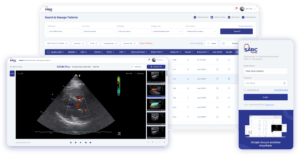
How SARC PACSflow Benefits Healthcare Professionals One of the biggest challenges in medical imaging is the timely and accurate sharing of diagnostic data among healthcare teams. SARC PACSflow addresses these pain points through:
- Instant Accessibility – Physicians can access high-resolution images remotely, reducing wait times and expediting diagnoses.
- Cost Savings – Eliminates the need for expensive physical storage and minimizes administrative overhead.
- Enhanced Collaboration – Enables multiple specialists to review and analyze images simultaneously, leading to more comprehensive patient care.
- AI-Powered Image Enhancement – Advanced algorithms improve image clarity, aiding in more precise diagnostics.
Enhancing the Patient Experience with SARC PACSflow For patients, delayed access to medical imaging can lead to stress, prolonged treatment timelines, and increased healthcare costs. SARC PACSflow empowers patients by:
- Reducing Unnecessary Scans – Avoids redundant imaging by centralizing previous records.
- Faster Diagnosis & Treatment Plans – Ensures that clinicians can make quick, informed decisions, reducing patient anxiety.
- Secure Image Access – Provides patients with a secure portal to access and share their medical images with other healthcare providers.
The Future of Medical Imaging: Cloud-Based PACS Systems As the demand for cloud-based PACS systems continues to grow, healthcare facilities are rapidly transitioning from traditional, on-premise systems to more agile, scalable solutions like SARC PACSflow. The key advantages of a cloud PACS system include:
- Remote Accessibility – Access medical images from any location, improving telemedicine capabilities.
- Scalability – Easily expands storage capacity to accommodate growing imaging needs.
- Data Redundancy & Disaster Recovery – Ensures continuous access to patient data, even in the event of hardware failures or cybersecurity threats.
Why Choose SARC PACSflow? SARC PACSflow is designed to revolutionize medical image management by offering a powerful, user-friendly, and secure solution for clinicians, hospitals, and imaging centers. Whether you are a small clinic looking for a cost-effective way to store medical images or a large healthcare system in need of seamless integration across multiple departments, SARC PACSflow delivers unmatched efficiency and reliability.
Ready to experience the future of medical imaging? Schedule a demo today and discover how SARC PACSflow can transform your healthcare practice.
20 Ways Business Leaders Can Build More Sustainable Businesses In 2025
Sustainability has evolved from a choice to a necessity for businesses in 2025. In a recent article, 20 industry leaders, including Asaad Hakeem, CEO of SARC MedIQ, shared actionable strategies for businesses to become more sustainable without disrupting operations.
Asaad Hakeem emphasizes the role of technology-driven sustainability, recommending that businesses integrate green features such as energy usage tracking or sustainability analytics. By offering such tools, companies can reduce environmental impact while empowering clients to achieve their sustainability goals.
The article also highlights key strategies such as:
✅ Improving operational energy efficiency
✅ Reducing plastic waste and switching to eco-friendly materials
✅ Embedding sustainability into business models for long-term impact
✅ Enhancing transparency to build trust with consumers
At SARC MedIQ, we are committed to sustainable innovation in healthcare technology, ensuring our solutions support a greener future. Read more at this link
SARC MedIQ Away Day 2024: Together as One
Team SARC MedIQ recently hosted its 2024 Away Day, bringing everyone out of the virtual world to connect in person. The event, held at a physical venue, aimed to strengthen bonds and foster collaboration among team members.
The highlight of the day was an activity called “Together as One” where employees joined games designed to help them learn about each other’s roles and departments. Divided into four spirited groups “Team Red, Team Blue, Team Green, and Team Yellow” , the teams engaged in interactive challenges that emphasized teamwork and creativity.
The day also featured an insightful presentation session where C-suite executives(Asaad Hakeem, CEO SARC MedIQ & Murtaza Saeed COO,SARC MedIQ) and department managers shared their visions for the company’s future. This was followed by a feedback session, reinforcing SARC MedIQ’s commitment to an open and inclusive culture.
The event underscored the company’s dedication to employee growth, teamwork, and shared success, leaving everyone motivated and aligned for a productive year ahead. Find more highlights of the day in our LinkedIn Post
SARC MedIQ PACS and iCardio.ai Partner to Revolutionize Ultrasound Interpretation With AI Tools
Two dynamic startups in the healthcare artificial intelligence sector, SARC MedIQ and iCardio.ai, a Cedars-Sinai backed AI startup, are thrilled to announce a strategic partnership aimed at revolutionizing the distribution of artificial intelligence tools for clinicians.
By incorporating iCardio.ai’s AI solutions, SARC MedIQ will enable over 1,500 physicians and 300+ healthcare facilities to drastically reduce diagnostic time, Enhance reimbursements, and cut operational costs by up to 50%. This partnership represents a significant step in advancing AI within the cardiology space, benefiting healthcare providers and patients alike.

Joseph Sokol, CEO of iCardio.ai, expressed excitement over the shared mission to enhance patient outcomes with AI. Asaad Hakeem, CEO of SARC MedIQ, emphasized that this collaboration accelerates their goal of empowering clinicians with cutting-edge technology, improving diagnostics, and increasing operational efficiencies.
Read More about this Partnership at Business Insider Press Release .
PuppyDog Secures Funding to Transform Demo Automation with AI
PuppyDog.io has launched an AI-powered platform for Personalized demo automation, securing pre-seed funding from Andrew Ng’s AI Fund to enhance its growth. This platform helps sales and marketing teams create custom demo videos tailored to each prospect, boosting engagement and generating over $3.6 million in qualified leads since April 2024.
SARC MedIQ, a leading Cloud PACS provider, has been collaborating with PuppyDog for outbound marketing campaigns over the past few months. Asaad Hakeem (CEO), commends PuppyDog’s platform for significantly improving company’s outreach and engagement efforts.
Read more details at Press Release
Undergoing Disruptive Change? 16 Leadership Traits To Cultivate
In a rapidly changing business environment, leaders must be equipped to handle unforeseen challenges with agility and resilience. SARC MedIQ’s CEO, Asaad Hakeem, recently contributed to a Forbes Business Council post where he emphasized the importance of adaptability. According to Asaad, adaptability is crucial for leaders as it enables them to respond swiftly to new challenges, foster innovation, and build resilience within their organizations. This trait not only helps manage stress and inspire confidence but also guides organizations effectively through periods of uncertainty.
By embedding adaptability into the company’s culture, leaders can ensure their teams are prepared to navigate the unknown, maintaining flexibility and resilience in the face of disruptive changes. For more insights on essential leadership traits during times of change.
Read the full Forbes article featuring Asaad Hakeem’s expertise.
20 Ways Business Leaders Can Take Care Of Their Mental Health
Balancing the demands of running a business while ensuring team members are well-supported leaves little time for leaders to focus on their own mental health. Neglecting personal well-being can lead to burnout, decreased productivity, and a negative impact on the entire organization.
Asaad Hakeem, CEO of SARC MedIQ, shared his perspective in a Forbes Business Council post. He emphasized that practicing mindfulness and meditation is crucial for business leaders. These practices help reduce stress, improve focus and decision-making, and enhance emotional resilience. By maintaining mental clarity and promoting well-being, leaders can sustain effective leadership and personal health, ultimately benefiting their businesses and setting a positive example for their teams.
For more insights from Asaad Hakeem and other business leaders on maintaining mental health, read the full Forbes Business Council post here.
SARC MedIQ Webinar: Revolutionizing Healthcare with AI-Driven Solutions
In a recent webinar, SARC MedIQ showcased how we are transforming healthcare through innovative AI solutions. Our CEO, Asaad Hakeem, and Success Coach, Raheel Bodla, shared insights into our groundbreaking journey. They highlighted how we harness cutting-edge technology to enhance patient care and streamline healthcare processes. The webinar delved into the fundamentals of healthcare, demonstrated our pioneering solutions, and outlined our vision for a future where AI plays a pivotal role in revolutionizing the healthcare industry.
Table of Contents
During the webinar, Asaad provided clear and concise explanations of fundamental healthcare terms essential for understanding the full impact of SARC MedIQ’s solutions.
Patient Diagnosis
This involves identifying the disease or underlying health issue based on symptoms, medical history, physical examinations, and results from various imaging exams like X-rays, MRIs, and ultrasounds. Accurate diagnosis is the cornerstone of effective treatment and improved patient outcomes.
Patient Treatment Plan
Following the diagnosis, a patient treatment plan is formulated to address the root cause of the patient’s health issues, aiming to eliminate or manage them effectively. A well-structured treatment plan is tailored to each patient’s unique needs, ensuring comprehensive care.
Electronic Medical Record (EMR)
An EMR is a digital version of a patient’s medical history, maintained by the healthcare provider over time. EMRs facilitate easy access to patient data, streamline workflows, and enhance the accuracy and efficiency of medical records. Integration with EMR systems is a key feature of SARC MedIQ’s solutions, ensuring seamless data management across various healthcare applications.
Key Components of SARC MedIQ
Key Components of SARC MedIQ
Universal Translator
This is an interpreter system that communicates with all hospital systems, converting diverse data into a standardized nomenclature. By ensuring all systems “speak the same language,” the Universal Translator facilitates seamless data integration and eliminates discrepancies that can arise from varied data formats.
Patient Data Aggregator
This component connects to all hospital systems, aggregating patient data into a unified language. The Patient Data Aggregator ensures that all relevant patient information is easily accessible and integrated, providing a comprehensive view of patient history and current status.
AI Doctor
At the core of our system is the AI Doctor, an advanced AI solution that leverages the collective knowledge of all the doctors who have trained it. The AI Doctor conducts patient diagnoses and formulates treatment plans based on both current and historical patient data. This AI-driven approach ensures that diagnoses and treatment recommendations are not only accurate but also consistently updated with the latest medical insights.
These components work together to streamline healthcare processes, reduce the time required for diagnosis and reporting, and significantly enhance the accuracy of patient care. As Asaad aptly noted during the session:
Physicians are not going to be replaced by AI, but Physicians who don’t use AI will be replaced by Physicians who do.
Benefits of SARC MedIQ
SARC MedIQ offers a range of benefits that significantly improve the efficiency and accuracy of healthcare delivery. During the webinar, we highlighted four major benefits of our AI-driven solutions:
Reduced Patient Diagnosis and Reporting Time
SARC MedIQ reduces patient diagnosis and reporting time by 90%, enabling physicians to complete these tasks in under 2 minutes. This drastic reduction in time allows doctors to see more patients, improve work-life balance, and focus more on patient care.
Increased Accuracy
Our solutions utilize the collective knowledge of all the doctors who have trained the AI, resulting in diagnosis and reporting accuracy exceeding 95%. This high level of accuracy reduces errors, improves patient outcomes, and ensures that treatment plans are based on reliable data.
Increased Revenue:
By freeing up significant amounts of time for physicians, SARC MedIQ allows healthcare providers to increase their patient capacity and improve workflow efficiency.
Reduced Reimbursement Rejection Rates
Our AI system’s high accuracy rate and comprehensive reporting capabilities help reduce, and in some cases, eliminate reimbursement rejections by insurance companies. This benefit translates into increased revenue and reduced administrative burdens for healthcare facilities.
By leveraging advanced AI technology, we are enabling healthcare providers to deliver faster, more accurate, and more efficient care to their patients.
With a presence in 300+ Medical Facilities, Utilized by 1500+ Physicians, and powered by Over 10 Million data points, SARC MedIQ is at the forefront of healthcare innovation. Our solutions are continuously evolving, driven by our commitment to improving patient care and operational efficiency in healthcare settings. Our cutting-edge technology is not just about keeping up with the times; it’s about staying ahead and setting new benchmarks in healthcare excellence.
Request SARC MedIQ Cloud PACS Demo Today!
20 Expert Tips For Running A Tech Company As A Non-Tech Founder
Asaad Hakeem CEO SARC MedIQ shares invaluable advice for non-technical leaders. He emphasizes the importance of understanding basic technology concepts and assembling a robust technical team. Leveraging non-technical strengths, such as effective communication, continuous learning, and prioritizing customer needs, is crucial. Additionally, he highlights the significance of developing a strong network, maintaining a positive company culture and sharp focus on execution. Asaad also highlights the importance of securing funding wisely and be ready for challenges ahead by preparing strategic plans and anticipating obstacles.
Read More at: Forbes Business Council
20 Tips For Starting A Business Podcast The Right Way
SARC MedIQ CEO Asaad Hakeem in his contribution to the Forbes Business Council, Emphasizes the crucial aspect of delivering value when launching a business podcast. His advice revolves around focusing on niche audiences, understanding their needs, and consistently providing engaging content. He advocates for promoting the podcast across diverse channels to enhance visibility and stimulate listener interaction. By optimising for discovery on various podcast platforms, businesses can effectively cultivate a loyal listener base. Asaad’s insights serve as a blueprint for aspiring podcasters, highlighting crucial value of delivering content that resonates with the audience and adds tangible value to their experience.
Read More at: Forbes Business Council
Affordable & Reliable Healthcare, AI Solutions, and more with Asaad Hakeem, Founder SARC MedIQ
In this episode of The SaaS Operator Podcast, we dive deep with Dr. Asaad Hakeem, CEO of SARC MedIQ, an AI-based healthcare platform assisting medical providers in patient diagnosis and treatment planning. He covers the challenges of implementing new technology in the regulated healthcare industry and the importance of building relationships and educating stakeholders.
Is PACS Upgrade Necessary? Unveiling the Cost-Saving Benefits and Streamlined Workflow.
In today’s rapidly evolving healthcare landscape, Picture Archiving and Communication Systems (PACS) play a critical role in storing, managing, and sharing medical images. However, outdated PACS can hinder workflow efficiency, compromise data security, and ultimately, impact patient care. PACS upgrade might seem like a daunting task, but the potential benefits are undeniable.Curious about the drawbacks of your current PACS system? Review these common challenges:
- Are you tired of the ongoing costs associated with maintaining your existing PACS infrastructure?
- Are you struggling with the non-compatibility of your PACS with modern healthcare systems and technologies?
- Is the lack of compliance with the Cures Act PHI safety rules keeping you up at night?
- Are you finding that generating reports with your current PACS is taking up too much time and resources?
Benefits of PACS Upgrade:
- Streamlined Workflow: Modern PACS offer intuitive interfaces and advanced features like automated routing and workflow automation, significantly improving efficiency and reducing administrative tasks.
- No Device Limitations: Most modern cloud-based PACS can be easily accessed from anywhere, on any device, breaking down operating system barriers and improving accessibility for healthcare professionals.
- Enhanced Patient Care: Upgraded PACS often provide capabilities like secure patient portals, advanced visualisation tools, and AI-powered image analysis, leading to faster diagnoses, improved treatment planning, and ultimately, better patient outcomes. For example, some systems allow radiologists to make annotations and communicate findings directly with referring physicians from their iPad.
- Cost Savings: While the initial investment might seem significant, upgrading your PACS can lead to long-term cost savings through improved efficiency, reduced errors, and optimised storage utilisation. Additionally, some modern PACS offer pay-as-you-go plans, making them more budget-friendly for smaller practices.
- Enhanced Practice Efficiency: Modern PACS enable remote access, facilitate collaboration, and offer features like mobile viewing, empowering healthcare professionals to work more efficiently and deliver better care. Cloud-based PACS often offer intuitive interfaces that can significantly reduce turnaround time, allowing radiologists to generate reports under 2mins.
Points to Consider for PACS Upgrade:
- Outdated Technology: Is your PACS sluggish, prone to crashes, or incompatible with newer devices and software? This could significantly impact workflow and hinder collaboration among healthcare professionals.
- Inefficient Workflows: Does your current system require manual processes for image retrieval, annotation, or sharing, leading to delays and frustration for your staff?
- Data Security Concerns: Are you concerned about the security of your patients’ sensitive medical data? Outdated PACS might lack robust security features, putting your data at risk.
- Compliance Concerns: Does your PACS meet the latest regulatory requirements, such as the 21st Century Cures Act, HIPAA, and HL7 standards? Ensuring compliance with these regulations is paramount to safeguarding patient data privacy, security, and interoperability. Failure to comply can have serious consequences, including hefty penalties and reputational damage for your healthcare facility.
- Limited Integration: Does your PACS struggle to integrate seamlessly with other Electronic Health Records (EHR) or Radiology Information Systems (RIS) in your healthcare facility? This can create data silos and hinder coordinated care.

The Upgrade Journey: A Step-by-Step Guide:
- Planning and Evaluation: Analyze your current PACS, identify pain points, and define your specific needs and budget. Consider the number of staff members who will need access to the new system and factor that into your budget and planning process.
- Vendor Selection: Research reputable PACS vendors, compare features and pricing, and choose one that aligns with your requirements and budget.
- Data Migration: Develop a comprehensive data migration plan with your chosen vendor to ensure secure and efficient transfer of your existing data to the new system.
- User Training and Support: Invest in thorough user training to familiarize your staff with the new system’s functionalities and maximize its potential. Utilise ongoing support resources offered by the PACS vendor .
Conclusion
Upgrading your PACS is not just an IT investment; it’s a strategic decision that can significantly benefit your healthcare facility. By understanding the signs that necessitate an upgrade, exploring the compelling advantages it offers, and following a well-defined roadmap, you can ensure a smooth transition and unlock the full potential of a modern PACS. Take the first step towards a more efficient, secure, and cost-effective healthcare environment by exploring PACS upgrade options today.
Ready to experience the transformative power of PACS? Request your personalised Cloud Pacs Demo now!