The Hospital’s Definitive Guide to Choosing a PACS / DICOM Platform

Selecting the right PACS/DICOM platform is one of the most consequential technology decisions for any hospital. The ideal system should handle every aspect of medical image management—capturing, storing, retrieving, and sharing images securely—while maintaining compliance, interoperability, and clinical efficiency.
This guide walks hospital leaders through the technical, operational, and strategic factors that define today’s best medical image management solutions, helping them choose a platform that supports seamless care delivery and long-term digital transformation.
SARC MedIQ contributes to this transformation through its AI-powered, cloud-based workflow suite built on Amazon Web Services, offering hospitals proven pathways from legacy imaging systems to modern, integrated, and compliant environments.
Understanding PACS and DICOM Fundamentals
Picture Archiving and Communication Systems (PACS) form the backbone of medical image management. They are the software and infrastructure hospitals use to store, retrieve, manage, and display radiological images and associated reports.
Digital Imaging and Communications in Medicine (DICOM) is the universal standard for image formatting and exchange, ensuring that imaging data is interoperable between devices and software systems regardless of manufacturer. Together, PACS and DICOM underpin every hospital’s diagnostic imaging workflow.
| Term | Definition | Primary Role |
| PACS | Picture Archiving and Communication System | Stores, retrieves, and manages medical images |
| DICOM | Digital Imaging and Communications in Medicine | Standard format and communication protocol for imaging data |
A “DICOM workflow” refers to the end-to-end exchange of imaging data—from capture and transmission to viewing and reporting—governed by DICOM standards. True PACS-DICOM harmony ensures image integrity, efficient collaboration, and enterprise scalability.
Deployment Models for PACS/DICOM Platforms
Hospitals typically deploy PACS in three models: on-premise, cloud-based, or hybrid. The right choice depends on balancing data control, cost, and scalability.
| Model | Cost | Data Control | Scalability | IT Demand |
| On-premise | High upfront | Full | Limited | High |
| Cloud | Opex-based | Shared | High | Low |
| Hybrid | Moderate | Balanced | High | Moderate |
Strategically, cloud PACS architectures are gaining favor for their elasticity and reduced maintenance, while hybrid models cater to complex or multi-site systems.
On-Premise PACS Solutions
On-premise PACS platforms store all imaging data within the hospital’s infrastructure, offering maximum governance and data sovereignty. They are ideal for facilities with strict regulatory requirements or where low latency is vital. However, these solutions come with high capital costs, complex maintenance, and limited scalability. Hospitals often retain or upgrade on-premise PACS when data locality is non-negotiable or network constraints exist.
Cloud-Based PACS Solutions
Cloud PACS platforms eliminate much of the traditional IT burden. They deliver scalable storage, disaster recovery, and global accessibility for physicians. By shifting capital expenses to operational models, they reduce overhead while ensuring continuous availability. Hospitals must still assess data residency laws, bandwidth reliability, and integration to ensure compliance and uptime. SARC MedIQ’s cloud-native PACSFlow, for example, offers secure, AI-powered image streaming and storage fully compliant with HIPAA and HL7 standards—without costly infrastructure overhead.
Hybrid PACS Architectures
Hybrid PACS integrates on-site performance with cloud redundancy, offering the best of both environments. It’s often chosen by multi-facility systems and institutions emphasizing disaster resilience. Key considerations include:
- Workflow latency management
- Failover protocols and recovery testing
- Consistent DICOM synchronization between local and cloud components
Key Features and Specialty Requirements
A high-performance PACS must combine universal features with specialized functionality tailored to each department.
Core features include:
- Multi-modality image support
- Fast, secure retrieval and viewing
- Diagnostic-grade visualization tools
- Role-based access and secure sharing
| Specialty | Key PACS Features |
| Cardiology | Dynamic study handling, cine loops, advanced measurements |
| Pathology | Whole-slide navigation, annotation, lossless zoom |
| Surgery | 3D/4D visualization, volume rendering, spatial planning |
Supporting Cardiology Imaging Workflows
Cardiology PACS must handle large, dynamic studies like angiograms and echocardiograms. High-frame-rate visualization and integrated quantitative tools are essential for accurate, time-sensitive diagnoses. Robust cardiac PACS support high-resolution playback, synchronized measurements, and direct reporting integration. SARC MedIQ’s AiReports leverages AI to automate cardiac measurements and structured report generation—helping clinicians cut reporting time from 30–45 minutes to under 2 minutes.
Pathology and Whole-Slide Imaging Needs
Digital pathology demands systems that can process and navigate gigabyte-scale whole-slide images without lag. Key requirements include smooth pan-zoom performance, precise annotation tools, and lossless image compression. For high-volume labs, efficient metadata indexing is critical for rapid search and retrieval.
Advanced Visualization for Surgical Planning
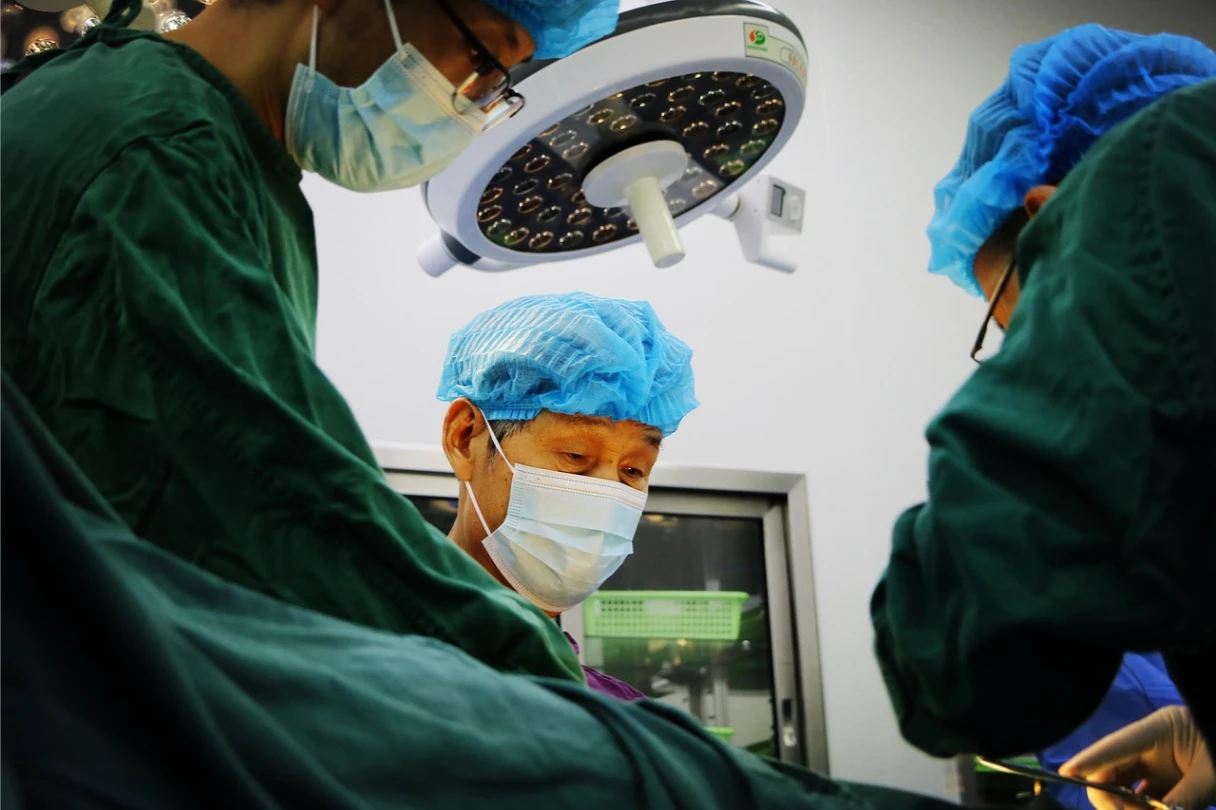
Surgical teams rely on PACS with advanced 2D, 3D, and 4D reconstruction tools. Features like multiplanar reformatting (MPR), volume rendering, and virtual surgical planning improve procedural accuracy and workflow efficiency—linking imaging data directly to patient-specific interventions. With SARC MedIQ, surgeons can access visualization tools from any authorized device, expediting collaboration and reducing intraoperative delays.
Security, Compliance, and Interoperability
Modern PACS must balance accessibility with stringent protection and compliance. Defense-in-depth security, adherence to HIPAA and GDPR, and open-standard interoperability are all foundational.
Defense-in-Depth Security Controls
Defense-in-depth involves layered protection strategies at every level. Hospitals should require:
- Network segmentation and zoning
- Multifactor and certificate-based authentication
- Encrypted transmission and storage
- Continuous threat monitoring and behavioral analytics
Ongoing audits and alerting systems ensure integrity and accountability. SARC MedIQ layers AES‑256 encryption, two-factor authentication, and continuous monitoring for complete data protection across clinical environments.
Ensuring HIPAA and Regulatory Compliance
Compliance frameworks dictate encryption, access policies, and audit trail management. Hospitals should verify vendor documentation, assess compliance certifications, and perform regular system audits to satisfy HIPAA, GDPR, and NIST alignment.
Integration with RIS, EHR, and HL7/FHIR Standards
RIS (Radiology Information System) and EHR (Electronic Health Record) integration is essential to avoid data silos. Standards like HL7, FHIR, and DICOMweb enable interoperability across orders, results, and metadata sharing—ensuring that imaging fits seamlessly into broader clinical workflows. SARC MedIQ platforms integrate natively with existing EHR and RIS systems to simplify cross-departmental collaboration.
DICOM and DICOMweb Support
DICOMweb extends traditional DICOM by enabling web-native, RESTful access to imaging data (using standards like WADO-RS and QIDO-RS). Hospitals should ensure their future PACS supports DICOMweb for browser-based viewing, third-party integrations, and AI-ready data exchange.
Evaluation Criteria and Selection Process
A successful PACS selection combines clinical, operational, and technical perspectives. Hospitals should build cross-functional teams to evaluate vendors objectively.
Defining Clinical and Operational Priorities
Start by mapping clinical use cases—frequency of studies, imaging workflows, and pain points. Prioritize features that directly impact diagnosis turnaround and patient flow efficiency.
Usability, Integration, and Performance Metrics
Evaluate usability through live demos focusing on:
- Viewer response time and loading speed
- Multi-user access and collaboration
- Integration with RIS/EHR
- Lossless image quality
A scorecard combining qualitative and quantitative criteria helps ensure transparent comparisons.
Security and Scalability Considerations
Assess long-term scalability, ensuring the PACS can accommodate new imaging modalities, AI add-ons, and growing data volumes. Security screener questions should confirm encryption, network segmentation, and analytics capabilities.Assess long-term scalability, ensuring the PACS can accommodate new imaging modalities, AI add-ons, and growing data volumes. Security screener questions should confirm encryption, network segmentation, and analytics capabilities.
Cost and Total Cost of Ownership Assessment
True ROI measures both direct and indirect benefits. Hospitals should model expenses for hardware, licensing, migration, and ongoing maintenance against efficiency gains such as reduced report times or automation savings. SARC MedIQ data shows average reporting cost reductions of $100–$150 per case and throughput improvements of up to 20%.
Vendor Shortlisting and Validation
After identifying priorities, narrow the vendor pool through documentation review, demos, and site validation.
Requesting Functional and Security Documentation
Request detailed descriptions of architecture, encryption, compliance attestations, and role-based access models. For open-source candidates, evaluate documentation quality and community stability. Vendors like SARC MedIQ provide transparent security documentation, architecture details, and compliance certifications aligned with HIPAA and HL7 standards.
Conducting Live Vendor Demonstrations
Design scenario-based demonstrations highlighting imaging workflows, specialty features, and admin tools. Involve clinicians to gauge ease of use and integration fluidity, supplementing findings with customer references.
Running Time-Boxed Pilots and Real-World Testing
Run contained pilots using representative datasets and workflows. Track image quality, loading times, and user satisfaction. Compare measured outcomes against vendor promises before full-scale rollout.
Contract Negotiation and Operational Readiness
Final negotiations define long-term success. Contracts should solidify SLAs, data ownership, and resilience protocols.
Service Level Agreements and Support Policies
SLAs should specify uptime guarantees, support hours, and escalation timelines. Hospitals should confirm structured issue-handling processes and vendor accountability for performance. SARC MedIQ includes 24/7 enterprise support, uptime guarantees above 99.9%, and clearly documented escalation paths.
Data Ownership, Migration, and Exit Strategies
Clearly state data ownership and migration procedures. Vendors must support DICOM-compliant data export and assist in safe, complete data handover if required.
Disaster Recovery and Archiving Plans
A resilient PACS includes redundant backups, tested failover mechanisms, and retention aligned with legal mandates. Plans should ensure rapid recovery and uninterrupted clinical workflows.
Implementation and Rollout Best Practices
Rolling out a PACS is as much about culture as technology.
Stakeholder Engagement and Training Plans
Form early partnerships with clinicians, radiologists, and IT teams. Train by role, from administrators to front-line staff, and maintain ongoing feedback loops for iterative optimization. SARC MedIQ’s deployment model prioritizes clinician training and full stakeholder engagement to ensure rapid adoption.
Phased Deployment and Change Management
Deploy in stages—pilot, departmental, enterprise—to minimize disruption. Assign clear communication leads and track adoption via defined KPIs like system uptime and turnaround improvements.
Monitoring Performance with KPIs and Analytics
Monitor core performance indicators such as image retrieval speed, report turnaround time, and user satisfaction. Analytics dashboards help pinpoint workflow bottlenecks and guide resource allocation.
Future-Proofing Your PACS/DICOM Platform
Modern imaging ecosystems demand flexibility and readiness for tomorrow’s technology.
AI Integration and Orchestration Capabilities
AI-ready PACS enable direct integration with automated imaging tools for triage, measurement, and prioritization. Platforms should provide APIs and structured reporting (DICOM SR) for efficient orchestration. SARC MedIQ’s AiReports and AiDictate modules exemplify this, combining AI-assisted reads with automated structured output.
Modular Architectures and Extensibility
Choose modular systems that allow independent upgrades for storage, viewers, or AI components. Standards-based APIs future-proof the system and reduce vendor lock-in.
Enabling Mobile and Web Access
Web and mobile PACS deliver secure cross-platform collaboration. Clinicians can access and annotate studies from any authorized device—accelerating decisions and, in time-critical cases like stroke, improving outcomes by up to 30%. SARC MedIQ enables this “anytime, anywhere” access through its cloud-first architecture and secure streaming tools.
Frequently Asked Questions
What are the advantages of cloud PACS compared to on-premise systems?
Cloud PACS solutions, such as those from SARC MedIQ, reduce hardware costs, simplify maintenance, and allow secure, flexible access across facilities.
How can hospitals ensure seamless integration between PACS and EHR or RIS?
Choose platforms like SARC MedIQ that support HL7, FHIR, and DICOM web standards for full interoperability with existing hospital systems.
What security measures should be prioritized when selecting a PACS platform?
Prioritize platforms with AES‑256 encryption, two-factor authentication, network segmentation, and continuous audit logging—key protections built into every SARC MedIQ deployment.
How does AI readiness impact the choice of a PACS/DICOM solution?
AI-ready systems, such as SARC MedIQ’s PACSFlow suite, streamline reporting and triage through integrated automation tools that enhance workflow speed and accuracy.
What are key performance indicators to monitor after PACS implementation?
Track retrieval latency, turnaround time, system uptime, and user satisfaction. SARC MedIQ provides built-in dashboards to monitor these KPIs in real time.
Ready to simplify your workflow?
SARC MedIQ’s experts can demonstrate how AI-powered, cloud-based imaging solutions deliver measurable time and cost savings while keeping your team focused on patient care.