Exploring Digital Health: Innovations in Healthcare Technology
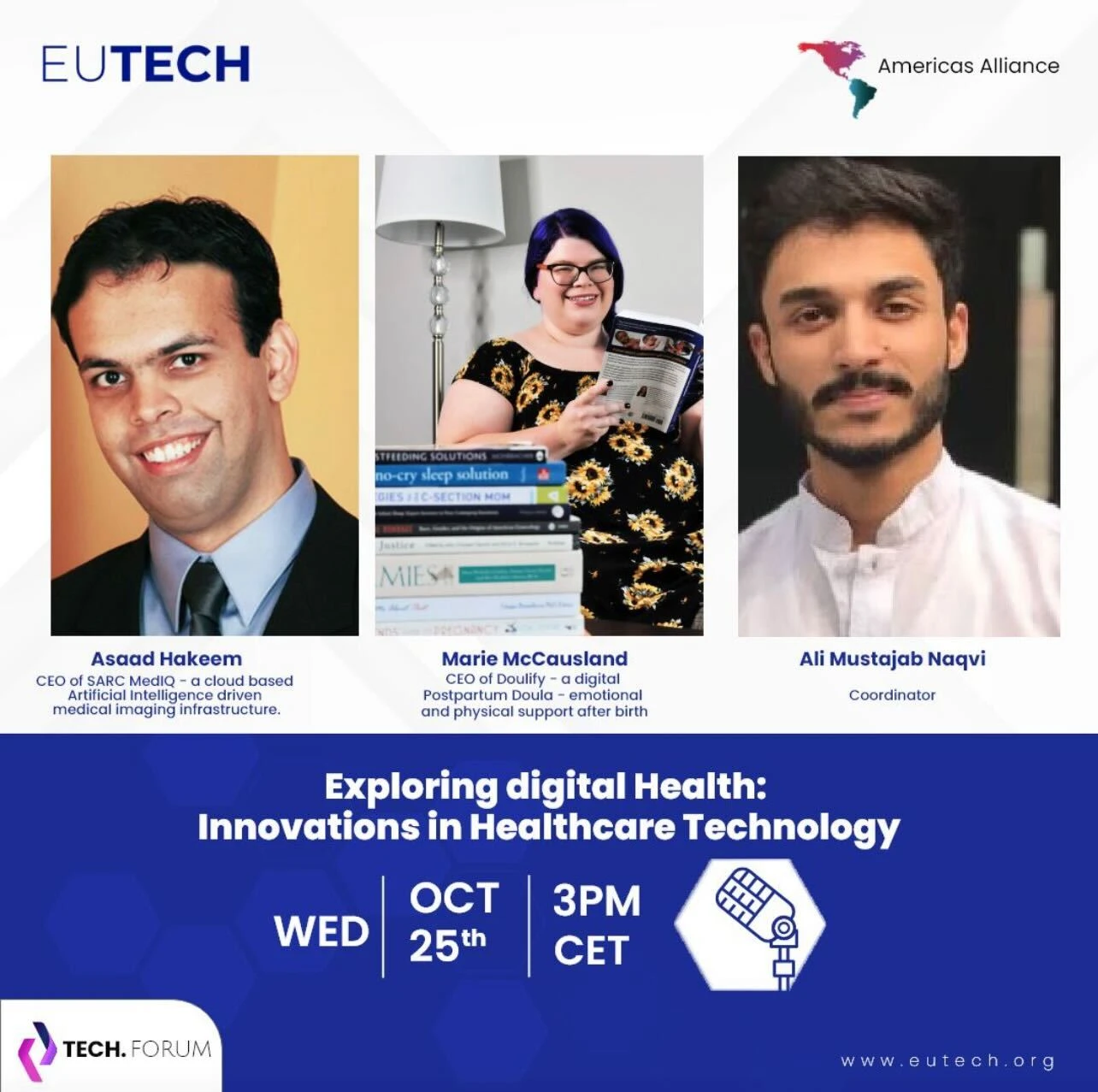
Featuring insights from a webinar presented by the CEO of SARCMEDIQ. The webinar delved into the core problems SARCMEDIQ aims to solve within the healthcare landscape. Asaad Hakeem, the CEO, articulated the company’s ambitious vision of becoming the ‘Uber of healthcare,’ revolutionizing the industry with seamless accessibility and efficiency. Emphasizing the importance of an agile approach, Asaad advocated for the ‘Fail Fast & Adapt’ mindset, highlighting the company’s commitment to continuous innovation and improvement.
During the webinar, Asaad candidly shared some of the early struggles SARCMEDIQ faced on its journey. These challenges served as valuable learning experiences, shaping the company’s growth trajectory and reinforcing its dedication to overcoming obstacles with resilience and adaptability. As SARCMEDIQ pushes forward in its mission to transform healthcare delivery, the webinar provided a glimpse into the company’s future goals and the innovative solutions it envisions to make healthcare more accessible and efficient for all.