Why Upgrading Your PACS Is No Longer Optional: The Complete Guide to Modernizing Your Medical Imaging Infrastructure
Every year that your healthcare facility runs on an outdated Picture Archiving and Communication System (PACS), it is quietly paying a hidden tax — in lost efficiency, compliance exposure, staff frustration, and compromised patient care. A PACS upgrade is no longer a nice-to-have IT project sitting on a future roadmap. It is an urgent strategic decision with measurable financial and clinical consequences for every radiology department, imaging centre, and hospital that delays it. This guide breaks down exactly why upgrading your PACS is a necessity, what you stand to gain, and how to make the transition as smooth as possible.
The Real Cost of Running an Outdated PACS
Legacy PACS systems were built for a different era of healthcare. They were not designed to handle today’s imaging volumes, today’s interoperability expectations, or today’s cybersecurity threat landscape. Yet thousands of facilities continue running them simply because the urgency of an upgrade feels abstract — until the costs become impossible to ignore.
Outdated PACS impose a compounding financial burden. Aging hardware demands constant maintenance and specialist support. Proprietary vendor contracts lock facilities into expensive licensing structures. Manual workarounds eat into radiologist and technologist time that should be spent on patient care. And when systems are down — which happens more frequently as hardware ages — the ripple effect across the entire clinical workflow is costly and stressful.
Legacy systems also increasingly fail modern regulatory requirements. The 21st Century Cures Act, HIPAA, and HL7 standards demand capabilities many older PACS cannot deliver — and non-compliance carries the risk of substantial penalties and serious reputational damage.
5 Critical Warning Signs Your PACS Is Holding Your Facility Back
If any of the following describe your current situation, the case for upgrading is clear:
- Sluggish performance and frequent crashes. If your system is slow to load images, prone to downtime, or incompatible with newer devices and operating systems, it is actively slowing down your radiologists and creating frustration throughout the clinical team.
- Manual, time-consuming workflows. If image retrieval, annotation, or sharing still requires manual steps that could be automated, your staff is spending valuable time on low-value administrative work instead of focusing on clinical outcomes.
- Poor integration with EHR and RIS platforms. A PACS that cannot communicate seamlessly with your Electronic Health Records or Radiology Information System creates dangerous data silos and forces clinicians to toggle between disconnected platforms, increasing the risk of errors.
- Data security and compliance gaps. Older systems often lack the encryption standards, access controls, and audit trails required under HIPAA. If your PACS cannot demonstrably meet current regulatory standards, you are operating with unnecessary legal exposure.
- No remote or mobile access. In a post-pandemic world, clinicians expect to access imaging from any device, anywhere. A PACS locked to a single workstation or tied to a specific operating system is a barrier to both efficiency and collaborative care.
The Undeniable Benefits of Upgrading to a Modern PACS System
A modern PACS — particularly a cloud-based solution — delivers measurable improvements across every dimension of your imaging operations:
- Dramatically faster reporting. Cloud-based PACS platforms like SARC MedIQ enable radiologists to generate reports in under two minutes, compared to the manual, multi-step processes common in legacy systems. That speed directly translates to faster diagnoses and better patient outcomes.
- True device and location independence. Modern PACS remove the hardware constraints entirely. Whether your radiologist is at their desk, on a tablet during a ward round, or reviewing scans remotely, they have full access to the imaging system — without VPNs, dedicated workstations, or operating system restrictions.
- Advanced diagnostic tools. Modern PACS come equipped with AI-powered image analysis, 3D visualisation, and direct annotation tools that accelerate diagnosis and improve the quality of clinical communication between radiologists and referring physicians.
- Built-in compliance and security. Current-generation PACS are engineered from the ground up to meet HIPAA, Cures Act, and HL7 requirements — with automatic updates ensuring compliance even as regulations evolve, so your facility is never left behind.
- Lower total cost of ownership. Pay-as-you-go pricing models mean facilities pay only for the storage and features they actually use, eliminating the capital expenditure of on-premise hardware and the ongoing cost of dedicated IT infrastructure teams.
Why SARC MedIQ Is the Best PACS Upgrade Solution for Your Facility
SARC MedIQ is a cloud-based PACS built specifically to address the limitations that make legacy systems a liability. Facilities report up to 50% cost savings compared to traditional onsite PACS — driven by subscription pricing that eliminates upfront hardware purchases and reduces IT maintenance overhead significantly.
The platform offers web-based access from any device without additional software, automated workflow tools, secure patient portals, and advanced visualisation capabilities that enable radiologists to annotate and share findings directly from their device of choice. Flexible, pay-as-you-go pricing scales with your imaging volume, making SARC MedIQ the right fit for practices of every size.
Your PACS Upgrade Roadmap: From Decision to Go-Live
A PACS upgrade does not have to be disruptive. Following a structured approach makes the transition predictable and manageable:
- Assess your current pain points. Document the specific limitations of your existing system — performance issues, compliance gaps, integration failures, and staff workflow frustrations. This assessment forms the foundation of your upgrade requirements.
- Define requirements and set a budget. Identify the features your facility needs, the number of users who will require access, and what your total budget — including transition costs — looks like. Consider both immediate needs and projected growth over the next three to five years.
- Evaluate and select a vendor. Compare vendors against your requirements checklist, prioritising compliance track record, integration capabilities, support quality, and pricing transparency. Request live demonstrations and speak with reference customers.
- Plan and execute data migration. Work with your chosen vendor to develop a detailed data migration plan that ensures the secure, complete transfer of all existing imaging data to the new platform — with zero data loss and minimal operational disruption.
- Train your team and go live. Invest in proper onboarding and training for all system users. A well-trained team will adopt the new platform quickly and start realising the efficiency benefits far sooner.
Frequently Asked Questions About PACS Upgrades
How do I know when it is time to upgrade my PACS?
The clearest indicators are persistent system slowdowns, frequent crashes, an inability to integrate with your current EHR or RIS platform, concerns about HIPAA or Cures Act compliance, and staff consistently reporting workflow frustrations. If your PACS is more than five years old and has not received a major platform update, it is almost certainly limiting your facility’s operational potential.
Is a PACS upgrade disruptive to daily clinical operations?
When planned properly, a PACS upgrade can be executed with minimal disruption. Modern cloud-based implementations like SARC MedIQ are designed for phased rollouts, with vendors providing migration timelines that keep your facility operational throughout. Most practices report that the short-term adjustment period is far outweighed by the immediate productivity gains after go-live.
What happens to my existing imaging data during a PACS upgrade?
Your data is migrated through a structured process managed by your vendor. Reputable PACS providers follow industry-standard protocols to ensure a complete, secure transfer of all DICOM imaging data, with full verification before the legacy system is decommissioned. You will not lose historical imaging data during an upgrade.
How much does a PACS upgrade typically cost?
Costs vary based on facility size, imaging volume, and the solution chosen. Cloud-based PACS like SARC MedIQ operate on subscription pricing that eliminates large upfront capital expenditure. Facilities switching to SARC MedIQ have reported up to 50% reductions in total PACS-related costs compared to running legacy onsite systems.
Will a new PACS integrate with our existing EHR and RIS systems?
Yes. Modern PACS platforms are built on open interoperability standards — DICOM, HL7, and FHIR — enabling seamless integration with the vast majority of EHR and RIS systems in use today. Before committing to a vendor, confirm they have validated integrations with your specific platforms and request evidence of successful implementations at comparable facilities.
Upgrading your PACS is not simply an IT investment — it is a strategic commitment to the long-term efficiency, safety, and competitiveness of your facility. Every month of delay is a month of unnecessary cost, compliance risk, and suboptimal patient care. Modern solutions like SARC MedIQ have made the transition more accessible and affordable than ever, removing barriers that historically made upgrades feel daunting.
The question is no longer whether you should upgrade your PACS. The question is how much longer you can afford not to.
Ready to see what a modern PACS can do for your facility? Book a free demo with SARC MedIQ and take the first step toward a faster, safer, and more cost-effective medical imaging workflow today.
The Best Cloud PACS Solutions for Medical Imaging: A Comprehensive Comparison
In today’s digital healthcare landscape, efficient and secure storage of medical images is crucial for improved diagnoses, streamlined workflows, and enhanced patient care. Enter PACS (Picture Archiving and Communication System), the backbone of image management. But when it comes to choosing the right PACS solution, healthcare facilities face a critical decision: Cloud PACS vs Onsite PACS? Both options offer unique advantages and drawbacks, and navigating this choice can be daunting. But worry not, this blog post is your comprehensive guide to understanding the intricacies of each option, empowering you to make an informed decision for your facility.
Onsite PACS: The Familiar Stronghold with Its Unique Drawbacks
For years, Onsite PACS reigned supreme as the trusted solution for storing medical images. Housing data directly on your facility’s servers offers a sense of control and security that resonates with many healthcare providers. Let’s delve deeper into benefits of Onsite PACS and its disadvantages.
Advantages of Onsite PACS
Unwavering Control and Customization: You hold the reins! With onsite PACS, your data resides within your physical infrastructure, granting you granular access and complete control over customization. Tailor user permissions, security protocols, and workflows to your specific needs. This level of control can be particularly appealing for facilities with unique compliance requirements or data sensitivity concerns.
Reliable Performance and Offline Access: Rest assured, even during internet outages, your images remain readily accessible. Onsite PACS isn’t tethered to the whims of external connectivity, ensuring uninterrupted image retrieval and diagnosis, even in rural or remote locations. This reliability can be a critical factor for facilities prioritizing uninterrupted clinical operations.
Disadvantages of Onsite PACS
Hardware Heavies and Constant Upkeep: Unfortunately, the strength of your fortress comes at a cost. Implementing and maintaining an onsite PACS requires significant upfront investment in hardware, software licenses, and dedicated IT staff. Ongoing maintenance, updates, and data backups add to the burden, potentially straining your budget and IT resources.
Scaling Challenges for Growth: As your facility expands, scaling an onsite PACS can be cumbersome and expensive. Adding storage capacity often involves purchasing additional hardware, increasing your physical footprint and management load. This limited scalability might not be the best fit for rapidly growing practices or those anticipating significant data volume increases.
While onsite PACS offers compelling advantages in control, reliability, and customization, its cost, scalability limitations, and IT burden cannot be ignored. Carefully evaluate your facility’s specific needs and consider how these factors might impact your long-term budget and future growth plans.
Cloud PACS: Riding the Wave of Innovation with Potential Undercurrents
Cloud PACS, the emerging champion of image storage, presents a paradigm shift for healthcare facilities. Unlike its onsite counterpart, it stores data securely in remote data centers managed by specialized vendors. There are multiple benefits of Cloud PACS, but it also carries potential considerations demanding careful evaluation. Let’s explore both sides of the coin:
Advantages of Cloud PACS
Cost-Effectiveness and Scalability: A Budget-Friendly Journey:
Say goodbye to hefty upfront investments! Cloud PACS operates on a subscription-based model, eliminating the need for expensive hardware purchases and software licenses. You pay only for the storage space you use, making it a remarkably budget-friendly choice, especially for smaller facilities or those with fluctuating data volumes. Plus, as your needs evolve, scalability becomes effortless. Adding storage or users takes just a few clicks, empowering your growing practice without the hassle of infrastructure upgrades.
Accessibility Unleashed: Anytime, Anywhere Image Access:
Imagine authorized personnel accessing patient images from any device, anywhere with an internet connection. Cloud PACS makes this a reality, fostering seamless collaboration and remote consultations. Specialists across locations can instantly review scans, discuss cases, and provide timely diagnoses, significantly improving patient care and streamlining workflows. Remote consultations become feasible, expanding your reach and potentially increasing revenue.
Maintenance Marvel: Vendor Expertise at Your Service:
Forget about IT headaches! Cloud PACS vendors handle all the heavy lifting – system updates, backups, and security patches are automatically applied, freeing your IT staff to focus on core tasks. This eliminates the burden of managing complex infrastructure and ensures your system is always up-to-date with the latest security measures.
Key Considerations for Choosing PACS
Choosing the right PACS boils down to a careful evaluation of your facility’s unique needs and priorities. Consider the following factors:
- Budget: Onsite PACS requires a significant upfront investment, while cloud PACS offers predictable, subscription-based costs.
- IT resources: Do you have in-house IT expertise to manage an onsite PACS, or do you prefer a hands-off approach with cloud providers?
- Security: Both options offer robust security measures, but evaluate vendor track records and compliance certifications for peace of mind.
- Scalability: Consider your future growth plans and choose a solution that adapts to your evolving needs.
Making the Informed Choice: Choosing Cloud PACS for a Future-Proof Facility
While both cloud and onsite PACS offer valuable functionalities, understanding your specific needs will help you navigate the right path. If cost-effectiveness, scalability, and seamless accessibility are top priorities, cloud PACS solutions like SARC MedIQ might be the perfect fit.
Top Cloud PACS Solutions for Medical Imaging
Here’s why choosing SARC MedIQ cloud PACS can empower your facility:
- No Upfront Costs: Eliminate the burden of hefty hardware investments. SARC MedIQ subscription-based model ensures predictable costs, freeing up precious capital for other strategic initiatives.
- 50% Cost Decrease: Experience significant cost savings compared to traditional onsite PACS. SARC MedIQ optimizes your operations, reducing IT maintenance expenses and resource allocation.
- Flexible Solutions: Enjoy unmatched scalability and adaptability. SARC MedIQ seamlessly grows with your practice, accommodating increasing needs without costly hardware upgrades.
- Anytime, Anywhere Access: Empower your entire team with secure access to patient images from any device, anywhere in the world. Remote consultations and collaboration become effortless, enhancing patient care and specialist engagement.
- Web-Based Convenience: No complex software installations or downloads needed. Access your PACS securely through any web browser, simplifying usage and reducing onboarding time for new users.
- Revenue-Boosting Potential: Improved efficiency and streamlined workflows translate to increased productivity and potential for higher revenue generation.
Ready to experience the transformative power of cloud PACS?
Book a free demo with SARC MedIQ today and discover how our cost-effective, scalable, and accessible solution can revolutionize your image management.
Don’t wait, empower your facility for the future with SARC MedIQ Cloud PACS!
Frequently Asked Questions About Cloud PACS
What are the benefits of Cloud PACS?
Cloud PACS offers a wide range of benefits for healthcare facilities of all sizes. The most significant advantages include eliminating large upfront hardware costs through a subscription-based model, enabling anytime and anywhere access to medical images from any internet-connected device, automatic system updates and security patches managed by the vendor, effortless scalability as your facility grows, and seamless collaboration between radiologists, specialists, and referring physicians across multiple locations. Cloud PACS also reduces the burden on in-house IT staff and ensures compliance with the latest healthcare data regulations.
How does Cloud PACS compare to Onsite PACS?
Cloud PACS and Onsite PACS differ primarily in where data is stored and how the system is managed. Onsite PACS stores all medical images on servers physically located within your facility, giving you full control and offline access, but requiring significant investment in hardware, software, and dedicated IT personnel. Cloud PACS, by contrast, stores data in secure, off-site data centers managed by specialized vendors, reducing upfront costs and IT overhead while improving accessibility. For facilities prioritizing cost-efficiency, scalability, and remote access, Cloud PACS is generally the superior choice; for those with strict data sovereignty requirements or unreliable internet access, Onsite PACS may still be preferable.
Is Cloud PACS secure for storing sensitive medical images?
Yes, reputable Cloud PACS providers implement robust security measures to protect sensitive patient data. These include end-to-end encryption for data in transit and at rest, multi-factor authentication, role-based access controls, and compliance with healthcare regulations such as HIPAA. Leading Cloud PACS vendors also undergo regular third-party security audits and maintain data redundancy across multiple geographically distributed data centers to prevent data loss. When evaluating Cloud PACS solutions, always verify the vendor’s compliance certifications and security track record.
How much does Cloud PACS cost compared to Onsite PACS?
Onsite PACS typically involves a high initial capital expenditure covering server hardware, software licenses, installation, and ongoing maintenance costs that can run into hundreds of thousands of dollars. Cloud PACS, on the other hand, operates on a predictable subscription model where you pay only for the storage and features you use. Solutions like SARC MedIQ have demonstrated up to 50% cost savings compared to traditional onsite systems by eliminating hardware overhead and reducing IT staffing requirements. The total cost of ownership for Cloud PACS is generally lower, especially for small-to-medium-sized practices and facilities with fluctuating imaging volumes.
Can Cloud PACS integrate with existing hospital information systems?
Yes, modern Cloud PACS platforms are designed to integrate seamlessly with existing healthcare systems, including Electronic Health Records (EHR), Radiology Information Systems (RIS), and hospital billing platforms, using standard healthcare protocols such as DICOM and HL7. This interoperability ensures that medical images and patient data flow smoothly across departments, minimizing disruption to established workflows. When selecting a Cloud PACS solution, confirm that the vendor supports the specific integration standards used by your facility’s existing systems.
The Hospital’s Definitive Guide to Choosing a PACS / DICOM Platform
Selecting the right PACS/DICOM platform is one of the most consequential technology decisions for any hospital. The ideal system should handle every aspect of medical image management—capturing, storing, retrieving, and sharing images securely—while maintaining compliance, interoperability, and clinical efficiency.
This guide walks hospital leaders through the technical, operational, and strategic factors that define today’s best medical image management solutions, helping them choose a platform that supports seamless care delivery and long-term digital transformation.
SARC MedIQ contributes to this transformation through its AI-powered, cloud-based workflow suite built on Amazon Web Services, offering hospitals proven pathways from legacy imaging systems to modern, integrated, and compliant environments.
Understanding PACS and DICOM Fundamentals
Picture Archiving and Communication Systems (PACS) form the backbone of medical image management. They are the software and infrastructure hospitals use to store, retrieve, manage, and display radiological images and associated reports.
Digital Imaging and Communications in Medicine (DICOM) is the universal standard for image formatting and exchange, ensuring that imaging data is interoperable between devices and software systems regardless of manufacturer. Together, PACS and DICOM underpin every hospital’s diagnostic imaging workflow.
| Term | Definition | Primary Role |
| PACS | Picture Archiving and Communication System | Stores, retrieves, and manages medical images |
| DICOM | Digital Imaging and Communications in Medicine | Standard format and communication protocol for imaging data |
A “DICOM workflow” refers to the end-to-end exchange of imaging data—from capture and transmission to viewing and reporting—governed by DICOM standards. True PACS-DICOM harmony ensures image integrity, efficient collaboration, and enterprise scalability.
Deployment Models for PACS/DICOM Platforms
Hospitals typically deploy PACS in three models: on-premise, cloud-based, or hybrid. The right choice depends on balancing data control, cost, and scalability.
| Model | Cost | Data Control | Scalability | IT Demand |
| On-premise | High upfront | Full | Limited | High |
| Cloud | Opex-based | Shared | High | Low |
| Hybrid | Moderate | Balanced | High | Moderate |
Strategically, cloud PACS architectures are gaining favor for their elasticity and reduced maintenance, while hybrid models cater to complex or multi-site systems.
On-Premise PACS Solutions
On-premise PACS platforms store all imaging data within the hospital’s infrastructure, offering maximum governance and data sovereignty. They are ideal for facilities with strict regulatory requirements or where low latency is vital. However, these solutions come with high capital costs, complex maintenance, and limited scalability. Hospitals often retain or upgrade on-premise PACS when data locality is non-negotiable or network constraints exist.
Cloud-Based PACS Solutions
Cloud PACS platforms eliminate much of the traditional IT burden. They deliver scalable storage, disaster recovery, and global accessibility for physicians. By shifting capital expenses to operational models, they reduce overhead while ensuring continuous availability. Hospitals must still assess data residency laws, bandwidth reliability, and integration to ensure compliance and uptime. SARC MedIQ’s cloud-native PACSFlow, for example, offers secure, AI-powered image streaming and storage fully compliant with HIPAA and HL7 standards—without costly infrastructure overhead.
Hybrid PACS Architectures
Hybrid PACS integrates on-site performance with cloud redundancy, offering the best of both environments. It’s often chosen by multi-facility systems and institutions emphasizing disaster resilience. Key considerations include:
- Workflow latency management
- Failover protocols and recovery testing
- Consistent DICOM synchronization between local and cloud components
Key Features and Specialty Requirements
A high-performance PACS must combine universal features with specialized functionality tailored to each department.
Core features include:
- Multi-modality image support
- Fast, secure retrieval and viewing
- Diagnostic-grade visualization tools
- Role-based access and secure sharing
| Specialty | Key PACS Features |
| Cardiology | Dynamic study handling, cine loops, advanced measurements |
| Pathology | Whole-slide navigation, annotation, lossless zoom |
| Surgery | 3D/4D visualization, volume rendering, spatial planning |
Supporting Cardiology Imaging Workflows
Cardiology PACS must handle large, dynamic studies like angiograms and echocardiograms. High-frame-rate visualization and integrated quantitative tools are essential for accurate, time-sensitive diagnoses. Robust cardiac PACS support high-resolution playback, synchronized measurements, and direct reporting integration. SARC MedIQ’s AiReports leverages AI to automate cardiac measurements and structured report generation—helping clinicians cut reporting time from 30–45 minutes to under 2 minutes.
Pathology and Whole-Slide Imaging Needs
Digital pathology demands systems that can process and navigate gigabyte-scale whole-slide images without lag. Key requirements include smooth pan-zoom performance, precise annotation tools, and lossless image compression. For high-volume labs, efficient metadata indexing is critical for rapid search and retrieval.
Advanced Visualization for Surgical Planning
Surgical teams rely on PACS with advanced 2D, 3D, and 4D reconstruction tools. Features like multiplanar reformatting (MPR), volume rendering, and virtual surgical planning improve procedural accuracy and workflow efficiency—linking imaging data directly to patient-specific interventions. With SARC MedIQ, surgeons can access visualization tools from any authorized device, expediting collaboration and reducing intraoperative delays.
Security, Compliance, and Interoperability
Modern PACS must balance accessibility with stringent protection and compliance. Defense-in-depth security, adherence to HIPAA and GDPR, and open-standard interoperability are all foundational.
Defense-in-Depth Security Controls
Defense-in-depth involves layered protection strategies at every level. Hospitals should require:
- Network segmentation and zoning
- Multifactor and certificate-based authentication
- Encrypted transmission and storage
- Continuous threat monitoring and behavioral analytics
Ongoing audits and alerting systems ensure integrity and accountability. SARC MedIQ layers AES‑256 encryption, two-factor authentication, and continuous monitoring for complete data protection across clinical environments.
Ensuring HIPAA and Regulatory Compliance
Compliance frameworks dictate encryption, access policies, and audit trail management. Hospitals should verify vendor documentation, assess compliance certifications, and perform regular system audits to satisfy HIPAA, GDPR, and NIST alignment.
Integration with RIS, EHR, and HL7/FHIR Standards
RIS (Radiology Information System) and EHR (Electronic Health Record) integration is essential to avoid data silos. Standards like HL7, FHIR, and DICOMweb enable interoperability across orders, results, and metadata sharing—ensuring that imaging fits seamlessly into broader clinical workflows. SARC MedIQ platforms integrate natively with existing EHR and RIS systems to simplify cross-departmental collaboration.
DICOM and DICOMweb Support
DICOMweb extends traditional DICOM by enabling web-native, RESTful access to imaging data (using standards like WADO-RS and QIDO-RS). Hospitals should ensure their future PACS supports DICOMweb for browser-based viewing, third-party integrations, and AI-ready data exchange.
Evaluation Criteria and Selection Process
A successful PACS selection combines clinical, operational, and technical perspectives. Hospitals should build cross-functional teams to evaluate vendors objectively.
Defining Clinical and Operational Priorities
Start by mapping clinical use cases—frequency of studies, imaging workflows, and pain points. Prioritize features that directly impact diagnosis turnaround and patient flow efficiency.
Usability, Integration, and Performance Metrics
Evaluate usability through live demos focusing on:
- Viewer response time and loading speed
- Multi-user access and collaboration
- Integration with RIS/EHR
- Lossless image quality
A scorecard combining qualitative and quantitative criteria helps ensure transparent comparisons.
Security and Scalability Considerations
Assess long-term scalability, ensuring the PACS can accommodate new imaging modalities, AI add-ons, and growing data volumes. Security screener questions should confirm encryption, network segmentation, and analytics capabilities.Assess long-term scalability, ensuring the PACS can accommodate new imaging modalities, AI add-ons, and growing data volumes. Security screener questions should confirm encryption, network segmentation, and analytics capabilities.
Cost and Total Cost of Ownership Assessment
True ROI measures both direct and indirect benefits. Hospitals should model expenses for hardware, licensing, migration, and ongoing maintenance against efficiency gains such as reduced report times or automation savings. SARC MedIQ data shows average reporting cost reductions of $100–$150 per case and throughput improvements of up to 20%.
Vendor Shortlisting and Validation
After identifying priorities, narrow the vendor pool through documentation review, demos, and site validation.
Requesting Functional and Security Documentation
Request detailed descriptions of architecture, encryption, compliance attestations, and role-based access models. For open-source candidates, evaluate documentation quality and community stability. Vendors like SARC MedIQ provide transparent security documentation, architecture details, and compliance certifications aligned with HIPAA and HL7 standards.
Conducting Live Vendor Demonstrations
Design scenario-based demonstrations highlighting imaging workflows, specialty features, and admin tools. Involve clinicians to gauge ease of use and integration fluidity, supplementing findings with customer references.
Running Time-Boxed Pilots and Real-World Testing
Run contained pilots using representative datasets and workflows. Track image quality, loading times, and user satisfaction. Compare measured outcomes against vendor promises before full-scale rollout.
Contract Negotiation and Operational Readiness
Final negotiations define long-term success. Contracts should solidify SLAs, data ownership, and resilience protocols.
Service Level Agreements and Support Policies
SLAs should specify uptime guarantees, support hours, and escalation timelines. Hospitals should confirm structured issue-handling processes and vendor accountability for performance. SARC MedIQ includes 24/7 enterprise support, uptime guarantees above 99.9%, and clearly documented escalation paths.
Data Ownership, Migration, and Exit Strategies
Clearly state data ownership and migration procedures. Vendors must support DICOM-compliant data export and assist in safe, complete data handover if required.
Disaster Recovery and Archiving Plans
A resilient PACS includes redundant backups, tested failover mechanisms, and retention aligned with legal mandates. Plans should ensure rapid recovery and uninterrupted clinical workflows.
Implementation and Rollout Best Practices
Rolling out a PACS is as much about culture as technology.
Stakeholder Engagement and Training Plans
Form early partnerships with clinicians, radiologists, and IT teams. Train by role, from administrators to front-line staff, and maintain ongoing feedback loops for iterative optimization. SARC MedIQ’s deployment model prioritizes clinician training and full stakeholder engagement to ensure rapid adoption.
Phased Deployment and Change Management
Deploy in stages—pilot, departmental, enterprise—to minimize disruption. Assign clear communication leads and track adoption via defined KPIs like system uptime and turnaround improvements.
Monitoring Performance with KPIs and Analytics
Monitor core performance indicators such as image retrieval speed, report turnaround time, and user satisfaction. Analytics dashboards help pinpoint workflow bottlenecks and guide resource allocation.
Future-Proofing Your PACS/DICOM Platform
Modern imaging ecosystems demand flexibility and readiness for tomorrow’s technology.
AI Integration and Orchestration Capabilities
AI-ready PACS enable direct integration with automated imaging tools for triage, measurement, and prioritization. Platforms should provide APIs and structured reporting (DICOM SR) for efficient orchestration. SARC MedIQ’s AiReports and AiDictate modules exemplify this, combining AI-assisted reads with automated structured output.
Modular Architectures and Extensibility
Choose modular systems that allow independent upgrades for storage, viewers, or AI components. Standards-based APIs future-proof the system and reduce vendor lock-in.
Enabling Mobile and Web Access
Web and mobile PACS deliver secure cross-platform collaboration. Clinicians can access and annotate studies from any authorized device—accelerating decisions and, in time-critical cases like stroke, improving outcomes by up to 30%. SARC MedIQ enables this “anytime, anywhere” access through its cloud-first architecture and secure streaming tools.
Frequently Asked Questions
What are the advantages of cloud PACS compared to on-premise systems?
Cloud PACS solutions, such as those from SARC MedIQ, reduce hardware costs, simplify maintenance, and allow secure, flexible access across facilities.
How can hospitals ensure seamless integration between PACS and EHR or RIS?
Choose platforms like SARC MedIQ that support HL7, FHIR, and DICOM web standards for full interoperability with existing hospital systems.
What security measures should be prioritized when selecting a PACS platform?
Prioritize platforms with AES‑256 encryption, two-factor authentication, network segmentation, and continuous audit logging—key protections built into every SARC MedIQ deployment.
How does AI readiness impact the choice of a PACS/DICOM solution?
AI-ready systems, such as SARC MedIQ’s PACSFlow suite, streamline reporting and triage through integrated automation tools that enhance workflow speed and accuracy.
What are key performance indicators to monitor after PACS implementation?
Track retrieval latency, turnaround time, system uptime, and user satisfaction. SARC MedIQ provides built-in dashboards to monitor these KPIs in real time.
Ready to simplify your workflow?
SARC MedIQ’s experts can demonstrate how AI-powered, cloud-based imaging solutions deliver measurable time and cost savings while keeping your team focused on patient care.
The Definitive Authority on Radiology Workflow Vendors for Medical Imaging
Optimizing the radiology workflow is one of the most decisive factors shaping the efficiency, accuracy, and scalability of modern medical imaging services. Hospitals, outpatient centers, and specialty networks are increasingly turning to advanced workflow optimization software to accelerate diagnostics and streamline collaboration. Radiology workflow optimization combines automation, AI, and cloud infrastructure to remove bottlenecks that once slowed imaging operations. SARC MedIQ stands at the forefront of this evolution, enabling specialty care organizations to modernize through cloud-native, AI-powered solutions that enhance documentation accuracy and maintain compliance at enterprise scale. This guide focuses on how SARC MedIQ delivers the most complete, future-ready radiology workflow platform and how organizations can evaluate, deploy, and scale it effectively.
Understanding Radiology Workflow in Medical Imaging
Radiology workflow in medical imaging refers to the series of coordinated steps—spanning order entry, image acquisition, interpretation, reporting, and results distribution—that ensure timely and accurate diagnoses for patients. Each stage depends on precise communication and standardized data exchange among healthcare systems.
When effectively optimized, these workflows support real-time collaboration between radiologists, clinicians, and support staff. The result is a medical imaging process that reduces diagnostic delays, minimizes manual error, and improves care quality. Advances in cloud technology now enable remote subspecialist review and teleradiology through secure, cloud-connected imaging workflows.
Key Stages of Radiology Workflow and Optimization Approaches
Radiology workflows unfold through several key stages, each offering opportunities for optimization:
| Workflow Stage | Common Challenges | Optimization Techniques |
| Order Entry & Scheduling | Duplicates, incomplete requisitions | EHR-PACS integration, automated scheduling |
| Image Acquisition & Processing | Manual labeling, long scan times | AI-assisted protocol selection, automated QA |
| Radiologist Interpretation | Report backlog, case overload | AI triage, intelligent worklists |
| Structured Reporting | Dictation errors, formatting inconsistencies | AI-assisted transcription, voice recognition |
| Results Dissemination | Slow report delivery | Instant cloud sharing, automated notifications |
Modern workflows increasingly rely on AI tools that flag urgent studies, improve anatomical segmentation, and automate structured reporting—reducing turnaround times significantly.
Overview of Leading Radiology Workflow Vendors
The best radiology workflow vendors balance enterprise-grade integration with intuitive tools for clinicians. SARC MedIQ embodies this balance, combining deep interoperability, secure cloud infrastructure, and embedded AI to streamline the entire imaging lifecycle.
Across the market, offerings cluster into three main categories; SARC MedIQ unifies strengths of each:
- Cloud-Native Architecture: Delivers cloud PACS capabilities for faster deployment, global remote access, and simplified system management.
- Enterprise Imaging Interoperability: Provides robust RIS/PACS/EHR connectivity with broad standards-based integration for multi-site operations.
- Specialty/Niche AI Modules, Natively Integrated: Incorporates focused AI for triage and decision support across subspecialties, embedded directly into radiologist workflows.
AWS Health Imaging exemplifies how scalable infrastructure can power these capabilities; SARC MedIQ’s AWS-native design brings that scalability, resilience, and security to enterprise imaging.
SARC MedIQ: Integrated Cloud-Based Imaging and AI Workflow Solutions
SARC MedIQ delivers a fully integrated imaging management ecosystem built for specialty providers. Its unified platform includes:
- SARC PACSFlow: A cloud PACS solution offering instant global access and seamless AI integration.
- SARC ShareSecure: HIPAA-compliant image sharing and collaboration.
- AiReports and AiDictate: AI-assisted reporting and dictation tools that improve precision and consistency.
Built on AWS architecture and compliant with SOC 2 and TX-RAMP standards, SARC MedIQ streamlines enterprise imaging operations while ensuring regulatory adherence. Its AI workflow optimization capabilities reduce radiologist fatigue, enhance documentation accuracy, and scale efficiently across complex organizations.
AI Integration and Automation in Radiology Workflow Vendors
AI workflow optimization automates repetitive imaging tasks such as protocol selection, scan triage, and anatomical measurement. Studies demonstrate that these tools can reduce acquisition and reporting times while improving diagnostic consistency.
FDA-cleared AI now supports emergency triage, orthopedic measurement, and automated contouring for oncology.
| AI Module Type | Example Function | Clinical Impact |
| Triage | Prioritize urgent studies | Time-to-diagnosis reduction |
| Measurement | Auto-segmentation of organs | Consistent quantitative reporting |
| Reporting | AI dictation, structured templates | Faster, standardized output |
Within SARC MedIQ, these capabilities are embedded directly into worklists, viewers, and reporting tools so radiologists remain in-flow, benefiting from automation without disrupting clinical judgment.
Evaluating Radiology Workflow Vendors: Criteria and Considerations
Healthcare organizations evaluating workflow solutions should weigh vendors across five pillars:
- Workflow Coverage: Does the platform address major pain points in the imaging process?
- Evidence of Efficiency: Are performance metrics or published outcomes available?
- Ease of Integration: Can the system connect with current EHR, PACS, or billing systems?
- Regulatory Status: Ensure FDA clearance, HIPAA/SOC 2 compliance, and CPT code readiness.
- Usability: Design that minimizes training and supports daily clinical use.
Additional factors such as interoperability, scalability, and specialty customization drive long-term sustainability and operational value. Solutions like SARC MedIQ excel when enterprises seek a unified, compliance-ready cloud framework with integrated AI support.

Practical Steps to Select and Implement Radiology Workflow Solutions
A structured selection process ensures cohesive implementation:
- Map existing workflows and identify bottlenecks.
- Define clinical KPIs such as report turnaround time or diagnostic concordance.
- Select SARC MedIQ modules and integrations aligned with your EHR/PACS and compliance needs.
- Run a controlled SARC MedIQ pilot to measure improvements.
- Configure audit logs, establish user training, and set regular review intervals within SARC MedIQ for ongoing optimization.
Tracking uptime, accuracy, and user satisfaction creates a continuous feedback loop for refinement and measurable performance gains.
Benefits and Return on Investment from Optimized Radiology Workflows
Investments in workflow optimization yield measurable returns:
| KPI | Typical Improvement | Clinical Effect |
| Report turnaround time | 30–40% faster | Quicker treatment initiation |
| Radiologist productivity | +20–25% | Fewer backlogs |
| Error rate | –15% | Higher diagnostic confidence |
| Study repeat rate | –10% | Reduced operational waste |
Collectively, these improvements enhance patient outcomes while lowering costs and minimizing staff workload.
Overcoming Common Challenges in Radiology Workflow Management
Common barriers include fragmented systems, poor interoperability, manual documentation, and limited user adoption. Transitioning to cloud and AI-enabled imaging mitigates many of these issues by centralizing data access and automating quality control.
A clinician-in-the-loop approach ensures AI supports, rather than replaces, professional judgment—helping maintain clinical trust and diagnostic accuracy. SARC MedIQ addresses these barriers through a unified cloud platform, embedded automation, and adoption playbooks that streamline change management across sites.
Ensuring Interoperability and Compliance in Radiology Workflow Systems
Interoperability allows diverse imaging systems to exchange and interpret data consistently across the care continuum. Achieving it requires adherence to established standards such as DICOM, HL7, and FHIR.
Regulatory frameworks including SOC 2, HIPAA, and FDA oversight protect patient data and maintain claim integrity. Built-in audit trails and structured output formats ensure transparency and accountability as AI becomes more deeply embedded in imaging workflows. SARC MedIQ incorporates these standards into its architecture to simplify compliance across multi-site operations.
Future Trends in Radiology Workflow Optimization and Vendor Innovation
The next generation of workflow innovation will emphasize agentic AI, governed model environments, and adaptive automation. Expect:
- Seamless multi-specialty orchestration through unified cloud platforms.
- Real-time cloud APIs enabling cross-enterprise collaboration.
- Mobile-optimized imaging access for distributed clinicians.
- Automated structured reporting aligned with value-based care metrics.
Future systems will connect automation with real-world evidence, producing actionable insights that strengthen care efficiency and outcomes. SARC MedIQ’s roadmap aligns with these trends, delivering governed AI and automation within a secure, cloud-native architecture.
Frequently Asked Questions about Radiology Workflow Vendors for Medical Imaging
Who are the top radiology workflow and PACS vendors?
SARC MedIQ is a leading radiology workflow and cloud PACS platform, emphasizing speed, interoperability, and scalability. For organizations seeking a unified, end-to-end solution, SARC MedIQ is purpose-built to deliver measurable efficiency and compliance at enterprise scale.
What are the best cloud PACS vendors in 2026?
Best-in-class cloud PACS solutions deliver rapid access, built-in AI analysis, and global scalability. SARC MedIQ offers a fully cloud-native option with enterprise-grade compliance and optimized reporting workflows—backed by AWS infrastructure and proven interoperability.
How is AI transforming radiology workflows?
AI is automating case prioritization, data structuring, and reporting, allowing radiologists to focus on high-complexity cases. Within SARC MedIQ, embedded AI augments protocol selection, triage, and structured reporting to improve accuracy while reducing time-to-diagnosis.
What are key trends in medical imaging software and enterprise imaging?
Trends include migration to cloud infrastructure, AI-augmented automation, and standardized interoperability across imaging modalities. SARC MedIQ advances these trends with cloud-native deployment, open standards, and integrated AI that scales across subspecialties.
How do vendors compare for speed, interoperability, and niches?
Differences appear in scalability, specialty-specific modules, and ease of integration with existing systems. SARC MedIQ distinguishes itself through unified cloud deployment and embedded AI-driven workflow intelligence that accelerates turnaround times and supports enterprise growth.
Why Your Hospital PACS Strategy Could Make or Break Your Digital Future
Healthcare leaders face an uncomfortable truth: the imaging infrastructure decisions you make today will determine your organization’s competitive position for the next decade. Picture Archiving and Communication Systems (Hospital PACS) have quietly evolved from simple digital filing cabinets into the strategic backbone of modern healthcare delivery—and organizations that fail to recognize this shift are already falling behind.
The question isn’t whether your hospital needs advanced imaging capabilities. The question is whether your current PACS infrastructure can support the AI-driven, interconnected, value-based healthcare environment that’s rapidly becoming the new standard of care.
The Great Hospital PACS Transformation: Beyond Digital Storage
The story of PACS begins in the 1980s, born from a simple yet revolutionary idea: digitize medical imaging to eliminate the inefficiencies of physical film management. Early adopters envisioned a world where radiologists could access images instantly, without hunting through physical archives or waiting for film to be transported between departments.
However, these pioneering PACS implementations were essentially digital islands. Radiology departments operated standalone systems with minimal integration beyond their departmental boundaries. While these early systems successfully digitized workflows within radiology, they created new challenges in information sharing and cross-departmental collaboration.
The emergence of standards like DICOM (Digital Imaging and Communications in Medicine) represented a crucial step forward, enabling basic image exchange between different imaging modalities and PACS vendors. Yet true interoperability remained elusive, with most systems functioning as sophisticated digital filing cabinets rather than integrated healthcare platforms.
This siloed approach worked adequately when healthcare delivery was more compartmentalized. But as medicine evolved toward multidisciplinary care teams and value-based outcomes, the limitations of isolated PACS became increasingly apparent.
The Hidden Crisis: When Legacy Systems Become Strategic Liabilities
Several converging trends have fundamentally altered the Hospital PACS landscape, demanding more sophisticated and integrated solutions:
Exponential Imaging Growth: Modern healthcare generates unprecedented volumes of imaging data. Advanced modalities like multi-slice CT, high-field MRI, and molecular imaging produce massive datasets that dwarf the storage requirements of traditional X-rays. A single cardiac CT study can generate thousands of images, compared to the handful produced by conventional radiography.
Specialty Expansion: Imaging is no longer confined to radiology departments. Cardiology, oncology, orthopedics, dermatology, emergency medicine, and even surgical specialties now rely heavily on imaging for diagnosis, treatment planning, and monitoring. Each specialty brings unique requirements for image visualization, measurement tools, and workflow integration.
Geographic Distribution: Healthcare organizations have expanded beyond single facilities to encompass multiple hospitals, outpatient centers, and specialty clinics. This geographic distribution demands seamless image sharing across locations while maintaining consistent quality and security standards.
Regulatory and Compliance Pressures: Healthcare organizations face increasing demands for data portability, patient access to imaging records, and integration with health information exchanges. Legacy PACS often struggle to meet these evolving regulatory requirements efficiently.
Economic Pressures: Value-based care models require healthcare organizations to optimize efficiency while improving outcomes. This economic reality demands imaging systems that reduce redundant studies, accelerate diagnosis, and support coordinated care delivery.
Breaking Free from Silos: The Enterprise Imaging Revolution
The response to these challenges has been the evolution toward enterprise imaging—a strategic approach that treats medical imaging as an organization-wide capability rather than a departmental function. Enterprise imaging represents a fundamental shift in how healthcare organizations conceptualize and deploy imaging technology.
Unlike traditional PACS, enterprise imaging solutions are designed for universal access and integration. They enable any authorized clinician, regardless of department or location, to access relevant imaging studies through familiar interfaces. This accessibility transforms imaging from a radiology-centric resource into a truly collaborative tool for multidisciplinary care teams.
Key characteristics of enterprise imaging include:
Unified Data Architecture: Rather than maintaining separate image repositories for different specialties, enterprise imaging creates a single, comprehensive imaging platform that accommodates diverse image types and clinical workflows.
EHR Integration: Seamless integration with electronic health records ensures that imaging becomes part of the patient’s complete clinical narrative, accessible alongside laboratory results, medication lists, and clinical notes.
Advanced Analytics: Enterprise imaging platforms provide insights into imaging utilization patterns, efficiency metrics, and quality indicators, enabling data-driven optimization of imaging operations.
Scalable Infrastructure: Cloud-native architectures and flexible deployment models allow organizations to scale imaging capabilities dynamically as volumes and requirements evolve.
Next-Generation Hospital PACS: Where AI Meets Clinical Excellence
Today’s leading PACS solutions bear little resemblance to their predecessors. Modern PACS function as intelligent imaging platforms that actively enhance clinical decision-making rather than simply storing and retrieving images.
AI-Powered Workflows: Artificial intelligence is transforming every aspect of medical imaging, from initial image acquisition to final reporting. Modern PACS integrate AI tools that can prioritize critical findings, automate routine measurements, detect incidental findings, and even suggest differential diagnoses. This AI integration doesn’t replace radiologist expertise but amplifies it, enabling more efficient and accurate interpretations.
Cloud-Native Architecture: Cloud technology has revolutionized PACS deployment and management. Cloud-native PACS offer virtually unlimited scalability, robust disaster recovery capabilities, and the flexibility to support remote reading and telemedicine initiatives. Organizations can provision storage dynamically, access images from any location, and benefit from automatic software updates without the complexity of managing on-premise infrastructure.
Zero-Footprint Viewing: Modern Hospital PACS eliminate the need for specialized workstation software, enabling clinicians to access diagnostic-quality images through standard web browsers. This capability is particularly valuable for referring physicians, emergency departments, and mobile clinical teams who need immediate access to imaging studies.
Advanced Visualization: Contemporary PACS incorporate sophisticated visualization tools that go far beyond basic image display. Three-dimensional reconstruction, multi-planar reformatting, fusion imaging, and advanced post-processing capabilities enable clinicians to extract maximum diagnostic value from imaging studies.
Workflow Orchestration: Modern PACS intelligently route studies based on clinical priorities, radiologist subspecialty expertise, and workload balancing algorithms. This orchestration ensures that critical studies receive immediate attention while optimizing overall department efficiency.

The Bottom Line: PACS as Competitive Differentiator
The evolution of PACS from departmental tools to enterprise platforms has profound strategic implications for healthcare organizations. Leadership teams must recognize that imaging infrastructure decisions impact far more than radiology department operations.
Competitive Advantage: Organizations with modern, integrated imaging capabilities can offer superior patient experiences, faster time-to-diagnosis, and more coordinated care delivery. These advantages translate directly into patient satisfaction, physician recruitment, and market differentiation.
Operational Efficiency: Advanced Hospital PACS reduce the time clinicians spend accessing and interpreting images, eliminate redundant studies, and streamline referral processes. These efficiency gains compound across the entire organization, improving throughput and reducing costs.
Quality and Safety: Modern PACS include sophisticated quality assurance tools, automated compliance monitoring, and AI-powered safety checks that help prevent errors and ensure consistent care delivery.
Data Asset Maximization: Healthcare organizations generate enormous amounts of imaging data that, when properly managed and analyzed, can provide insights into population health trends, treatment effectiveness, and operational optimization opportunities.
Future Readiness: As healthcare continues its digital transformation, organizations with modern imaging infrastructure are better positioned to adopt new technologies, participate in research initiatives, and respond to changing regulatory requirements.
Your PACS Decision Framework: Leading vs. Following
Healthcare organizations face a critical decision point regarding their imaging infrastructure. Continuing with legacy PACS systems may seem cost-effective in the short term, but this approach increasingly exposes organizations to competitive disadvantages, operational inefficiencies, and missed opportunities for clinical innovation.
When evaluating modern PACS solutions, organizations should prioritize platforms that offer:
Scalable Architecture: Solutions that can grow with the organization and adapt to changing requirements without major infrastructure overhauls.
Open Integration: Platforms that embrace industry standards and facilitate integration with existing and future healthcare technologies.
AI Readiness: Systems designed to incorporate artificial intelligence tools as they mature and prove their clinical value.
Flexible Deployment: Options for cloud, on-premise, or hybrid deployments that align with organizational preferences and regulatory requirements.
Vendor-Neutral Philosophy: Solutions that avoid vendor lock-in and provide freedom to choose best-of-breed technologies as they emerge.
The organizations that thrive in healthcare’s digital future will be those that recognize imaging not as a departmental function but as a strategic capability that touches every aspect of patient care. Modern PACS represent more than technology investments—they are foundational elements of competitive healthcare delivery in the 21st century.
The question is not whether your organization will eventually adopt modern imaging infrastructure, but whether you’ll be among the leaders or the followers in this critical transformation. The choice you make today will determine your position in tomorrow’s healthcare landscape.
The Digital Evolution of PACS Medical Imaging: Streamlining Care Through Innovation
The Pressure to Evolve Has Never Been Greater
In today’s fast-moving healthcare environment, transformation isn’t optional — it’s expected. Hospitals and clinics are under pressure to deliver care that is faster, more personalized, and available across locations. At the same time, they must manage growing data volumes, rising patient expectations, and increasing clinician burnout.
Digital tools like AI, Cloud Based PACS Medical Imaging , and virtual care solutions promise relief — but only if they integrate seamlessly into clinical workflows. Otherwise, they risk becoming just another layer of complexity.
At SARC MedIQ, we believe innovation should feel invisible. When it works, it fades into the background — empowering doctors, not overwhelming them.
Why Workflow Still Rules the Digital Frontier
Healthcare leaders are adopting more digital tools than ever, but many still face a familiar frustration: disjointed systems, multiple logins, and fragmented data. It’s not about how many technologies you implement — it’s about how well they work together.
That’s where SARC MedIQ’s technology for PACS Medical Imaging stands apart. Our platform is built with workflow orchestration at its core, not added as an afterthought. We design with radiologists in mind, ensuring that tools like AI and diagnosis automation are embedded into a unified experience that supports faster, smarter care.

The Foundations of a Modern Medical Imaging Experience
To build a truly modern imaging environment, three pillars are essential:
Cloud-Native Infrastructure
SARC MedIQ’s cloud-first architecture allows hospitals and clinics to scale on demand, access imaging data from anywhere, and simplify maintenance, backups, and updates. It’s secure, agile, and built for today’s mobile workforce.
AI-Powered Diagnosis Automation
From prioritizing urgent cases to auto-filling reports, our AI automates what’s repetitive — so radiologists can focus on what’s clinical. It’s not about replacing professionals; it’s about letting them do more of what matters.
Seamless Interoperability
We believe data shouldn’t be locked in silos. SARC MedIQ connects across EHRs, RIS, and partner platforms — enabling data to move freely, securely, and in context.
More Data ≠ Better Care — Unless It’s Usable
The healthcare world isn’t short on data. The real challenge is making that data actionable. Radiologists shouldn’t have to toggle between systems or dig through records to make a decision.
SARC MedIQ brings imaging, clinical context, and AI insights into one interface — so decisions happen faster, with greater confidence.
Built for the Ones Who Actually Use It
Doctors don’t need another dashboard. They need fewer.
We built SARC MedIQ to simplify the entire imaging process. That means:
- One login for everything
- One dashboard to review, report, and collaborate
- One experience that adapts to every setting — from tertiary hospitals to remote reading centers
When systems are intuitive, staff burnout decreases, adoption rises, and patients benefit.
Digital Strategy That Actually Works
The success of any digital initiative depends on more than software. It requires a strategy.
At SARC MedIQ, we help our partners align digital investments with clinical and operational goals — from implementation to long-term impact. That includes:
- Executive alignment across teams
- Adoption metrics that go beyond logins
- Change management and workflow training
- Built-in scalability and compliance
Because it’s not just about having the right tools — it’s about making them work for your people.
Conclusion: Simpler Workflows. Smarter Imaging. Better Care.
The future of medical imaging is not just digital — it’s intelligent, integrated, and clinician-centered.
SARC MedIQ is proud to lead that shift.
If your imaging systems still feel like a juggling act, it’s time to rethink what’s possible.
Let’s build something better — together.
The future of medical imaging is not just digital — it’s intelligent, integrated, and clinician-centered.
SARC MedIQ is proud to lead that shift.
If your imaging systems still feel like a juggling act, it’s time to rethink what’s possible.
Let’s build something better — together.
More than 1,500 physicians already rely on SARC MedIQ to simplify diagnostics, speed up reporting, and improve patient care — and that number is growing every day. See how your practice can benefit by booking a Demo for PACS Medical Imaging today.
5 Radiology Workflow Bottlenecks You Can’t Afford to Ignore – and How to Fix Them with AI & Cloud Innovation
Radiologists today are under more pressure than ever—managing increasing imaging volumes, tighter deadlines, and rising expectations for speed and accuracy.
But often, the biggest threats to radiology efficiency aren’t the most visible. From documentation fatigue to fragmented systems, radiology workflow bottlenecks are quietly slowing teams down—and putting patient care at risk.
The good news? The right technology can change everything.
SARC MedIQ is a platform built specifically to eliminate these friction points. Through AI-powered reporting, seamless cloud PACS, and secure sharing tools, we help radiology teams regain control, reduce burnout, and accelerate clinical workflows.
Bottleneck 1: Manual Documentation & Dictation Drains Time
The Challenge
Radiologists often still document manually or use legacy dictation tools that require tedious editing and formatting. These outdated processes eat up valuable time and add directly to cognitive overload and burnout.
The Impact
More time spent on documentation means less time diagnosing, which delays reports, increases fatigue, and reduces job satisfaction.
Solution: AiDictate by SARC MedIQ
Our AI-driven dictation and reporting tool transcribes speech in real time using a medical-specific lexicon. With built-in templates, automated impression checks, and structured summary generation, radiologists can create review-ready reports in minutes—not hours.
Radiologists simply speak, and AiDictate handles the rest. No scribes. No delays. Just fast, compliant reporting.
Bottleneck 2: Juggling Multiple Platforms Slows Workflow
The Challenge
Traditional radiology environments require switching between PACS, EMRs, viewers, and third-party platforms to access and interpret studies. This fragmentation slows down workflows, increases training time, and raises error risk.
The Impact
Disjointed systems reduce productivity, introduce unnecessary clicks, and create bottlenecks in diagnosis and reporting.
Solution: SARC PACS Flow with Built-In Single Sign-On
SARC PACS Flow unifies imaging, viewing, and reporting in one cloud-native platform. With single sign-on access, users can log in once and seamlessly navigate everything—from reviewing images to generating reports—without needing to jump between systems.
This eliminates login fatigue, reduces complexity, and keeps radiologists focused on clinical care—not on navigating multiple dashboards.
Bottleneck 3: Delays in Sharing Imaging with Referring Physicians
The Challenge
Many radiology departments still rely on CDs, physical media, or unsecured email to share imaging studies with external providers—causing delays and communication breakdowns.
The Impact
Slow sharing processes frustrate referring physicians, stall treatment planning, and risk patient safety.
Solution: SARC ShareSecure
SARC ShareSecure lets radiologists send imaging studies to any provider, anywhere in the world, via a secure, one-click link. No CDs. No downloads. No hassle.
This reduces image delivery time by up to 90% and ensures referring physicians have immediate access to diagnostic data when it matters most.
Bottleneck 4: Extended Time on Complex Cases
The Challenge
As imaging volumes grow, complex cases naturally require more attention. But without support tools, radiologists face growing backlogs and mounting pressure—impacting turnaround times.
The Impact
Delays in interpreting advanced studies can reduce diagnostic accuracy and slow down care pathways.
Solution: SARC AiReports
SARC AiReports assists radiologists with pre-analyzed imaging, automatic annotation, and structured report generation. From fractures to soft tissue abnormalities, the platform highlights key areas of interest—speeding up interpretation without replacing clinical judgment.
It’s a powerful co-pilot for busy radiologists, helping them handle high volumes without compromising quality.
Bottleneck 5: SOAP Notes Are Still Manually Entered
The Challenge
Even today, SOAP notes are often typed manually after consultations—taking time and increasing the risk of missed details.
The Impact
Manual note-taking reduces patient facetime, contributes to documentation errors, and slows down administrative workflows.
Solution: AiDictate Expanded Capabilities
With real-time speech-to-text functionality, AiDictate can also support rapid creation of structured clinical notes. Integrated with EMR systems and accessible on desktop or mobile, it streamlines SOAP note documentation—saving time while improving consistency.
Final Thoughts: Radiology Bottlenecks Are a Patient Care Problem
Workflow inefficiencies don’t just hurt productivity—they delay care.
By integrating AI-powered tools like AiDictate, cloud-native PACS with single sign-on access, and secure image sharing, SARC MedIQ empowers radiology teams to reclaim their time and focus on what really matters: faster diagnoses, lower stress, and better patient outcomes.
If your team is still juggling outdated tools and fragmented systems, now’s the time to modernize.
Let SARC MedIQ help you simplify, unify, and elevate your radiology workflow.
How Cloud Based PACS Systems Like SARC PACSflow Simplify Medical Image Sharing
In the fast-paced world of healthcare, efficient communication and collaboration are crucial for providing the best possible patient care. Yet, the traditional methods of sharing medical studies – burning CDs, sending large files via email, or relying on outdated, incompatible systems – often create bottlenecks, delays, and frustration for both patients and clinicians.
SARC MedIQ’s Cloud Based PACS System is stepping in to change that. Our innovative platform is designed to simplify medical imaging workflows, empowering radiologists with faster reporting, seamless collaboration, and improved patient outcomes.
Understanding PACS and Its Role in Healthcare Picture Archiving and Communication System (PACS) is a medical imaging technology that allows healthcare professionals to securely store, retrieve, manage, and share diagnostic images. Unlike outdated film-based methods, PACS eliminates the need for physical storage and transportation of medical images, enabling instant access to critical patient data from virtually anywhere.
With the rise of cloud technology, modern PACS solutions like SARC PACSflow are transforming healthcare by making imaging accessible from anywhere—whether in a hospital, clinic, or even remotely. This accessibility leads to faster diagnoses, better collaboration, and improved patient outcomes.
How SARC PACS flow Transforms Medical Imaging SARC PACSflow is more than just a storage solution. It’s an advanced cloud based PACS system designed to integrate with existing workflows while offering unmatched speed, security, and scalability. Key features include:
- Secure Cloud-Based Storage – Access imaging data anytime, anywhere, without the constraints of on-premise servers.
- Seamless Integration – Works effortlessly with Radiology Information Systems (RIS), Electronic Health Records (EHR), and other medical software.
- Multi-Device Accessibility – View and share medical images from desktops, tablets, or mobile devices.
- AI-Driven Automation – Reduces manual workload by streamlining workflows and improving efficiency.
- Advanced Image Processing – Enhances image quality for better diagnosis.
Benefits of SARC PACSflow for Medical Professionals Healthcare providers face numerous challenges in managing imaging workflows efficiently. SARC PACSflow eliminates these hurdles with a solution that is faster, cost-effective, and designed for the future of radiology.
- Improved Collaboration – Radiologists and referring physicians can access imaging data instantly, leading to better coordination and faster treatment decisions while cutting image review and reporting time by up to 80%.
- Reduced Costs – Eliminates the need for physical storage and manual recordkeeping, significantly reducing operational costs, saving $100–$150 per report compared to traditional workflows.
- Scalability – Whether for a small clinic or a large hospital network, SARC PACSflow scales to meet the growing demands of any healthcare provider, boosting annual revenue by $150,000+ through enhanced throughput.
- Data Security & Compliance – Meets industry standards such as HIPAA and DICOM for secure data storage and transmission, ensuring patient data remains protected.
How SARC PACSflow Benefits Healthcare Professionals One of the biggest challenges in medical imaging is the timely and accurate sharing of diagnostic data among healthcare teams. SARC PACSflow addresses these pain points through:
- Instant Accessibility – Physicians can access high-resolution images remotely, reducing wait times and expediting diagnoses.
- Cost Savings – Eliminates the need for expensive physical storage and minimizes administrative overhead.
- Enhanced Collaboration – Enables multiple specialists to review and analyze images simultaneously, leading to more comprehensive patient care.
- AI-Powered Image Enhancement – Advanced algorithms improve image clarity, aiding in more precise diagnostics.
Enhancing the Patient Experience with SARC PACSflow For patients, delayed access to medical imaging can lead to stress, prolonged treatment timelines, and increased healthcare costs. SARC PACSflow empowers patients by:
- Reducing Unnecessary Scans – Avoids redundant imaging by centralizing previous records.
- Faster Diagnosis & Treatment Plans – Ensures that clinicians can make quick, informed decisions, reducing patient anxiety.
- Secure Image Access – Provides patients with a secure portal to access and share their medical images with other healthcare providers.
The Future of Medical Imaging: Cloud-Based PACS Systems As the demand for cloud-based PACS systems continues to grow, healthcare facilities are rapidly transitioning from traditional, on-premise systems to more agile, scalable solutions like SARC PACSflow. The key advantages of a cloud PACS system include:
- Remote Accessibility – Access medical images from any location, improving telemedicine capabilities.
- Scalability – Easily expands storage capacity to accommodate growing imaging needs.
- Data Redundancy & Disaster Recovery – Ensures continuous access to patient data, even in the event of hardware failures or cybersecurity threats.
Why Choose SARC PACSflow? SARC PACSflow is designed to revolutionize medical image management by offering a powerful, user-friendly, and secure solution for clinicians, hospitals, and imaging centers. Whether you are a small clinic looking for a cost-effective way to store medical images or a large healthcare system in need of seamless integration across multiple departments, SARC PACSflow delivers unmatched efficiency and reliability.
Ready to experience the future of medical imaging? Schedule a demo today and discover how SARC PACSflow can transform your healthcare practice.
Is PACS Upgrade Necessary? Unveiling the Cost-Saving Benefits and Streamlined Workflow.
In today’s rapidly evolving healthcare landscape, Picture Archiving and Communication Systems (PACS) play a critical role in storing, managing, and sharing medical images. However, outdated PACS can hinder workflow efficiency, compromise data security, and ultimately, impact patient care. PACS upgrade might seem like a daunting task, but the potential benefits are undeniable.Curious about the drawbacks of your current PACS system? Review these common challenges:
- Are you tired of the ongoing costs associated with maintaining your existing PACS infrastructure?
- Are you struggling with the non-compatibility of your PACS with modern healthcare systems and technologies?
- Is the lack of compliance with the Cures Act PHI safety rules keeping you up at night?
- Are you finding that generating reports with your current PACS is taking up too much time and resources?
Benefits of PACS Upgrade:
- Streamlined Workflow: Modern PACS offer intuitive interfaces and advanced features like automated routing and workflow automation, significantly improving efficiency and reducing administrative tasks.
- No Device Limitations: Most modern cloud-based PACS can be easily accessed from anywhere, on any device, breaking down operating system barriers and improving accessibility for healthcare professionals.
- Enhanced Patient Care: Upgraded PACS often provide capabilities like secure patient portals, advanced visualisation tools, and AI-powered image analysis, leading to faster diagnoses, improved treatment planning, and ultimately, better patient outcomes. For example, some systems allow radiologists to make annotations and communicate findings directly with referring physicians from their iPad.
- Cost Savings: While the initial investment might seem significant, upgrading your PACS can lead to long-term cost savings through improved efficiency, reduced errors, and optimised storage utilisation. Additionally, some modern PACS offer pay-as-you-go plans, making them more budget-friendly for smaller practices.
- Enhanced Practice Efficiency: Modern PACS enable remote access, facilitate collaboration, and offer features like mobile viewing, empowering healthcare professionals to work more efficiently and deliver better care. Cloud-based PACS often offer intuitive interfaces that can significantly reduce turnaround time, allowing radiologists to generate reports under 2mins.
Points to Consider for PACS Upgrade:
- Outdated Technology: Is your PACS sluggish, prone to crashes, or incompatible with newer devices and software? This could significantly impact workflow and hinder collaboration among healthcare professionals.
- Inefficient Workflows: Does your current system require manual processes for image retrieval, annotation, or sharing, leading to delays and frustration for your staff?
- Data Security Concerns: Are you concerned about the security of your patients’ sensitive medical data? Outdated PACS might lack robust security features, putting your data at risk.
- Compliance Concerns: Does your PACS meet the latest regulatory requirements, such as the 21st Century Cures Act, HIPAA, and HL7 standards? Ensuring compliance with these regulations is paramount to safeguarding patient data privacy, security, and interoperability. Failure to comply can have serious consequences, including hefty penalties and reputational damage for your healthcare facility.
- Limited Integration: Does your PACS struggle to integrate seamlessly with other Electronic Health Records (EHR) or Radiology Information Systems (RIS) in your healthcare facility? This can create data silos and hinder coordinated care.

The Upgrade Journey: A Step-by-Step Guide:
- Planning and Evaluation: Analyze your current PACS, identify pain points, and define your specific needs and budget. Consider the number of staff members who will need access to the new system and factor that into your budget and planning process.
- Vendor Selection: Research reputable PACS vendors, compare features and pricing, and choose one that aligns with your requirements and budget.
- Data Migration: Develop a comprehensive data migration plan with your chosen vendor to ensure secure and efficient transfer of your existing data to the new system.
- User Training and Support: Invest in thorough user training to familiarize your staff with the new system’s functionalities and maximize its potential. Utilise ongoing support resources offered by the PACS vendor .
Conclusion
Upgrading your PACS is not just an IT investment; it’s a strategic decision that can significantly benefit your healthcare facility. By understanding the signs that necessitate an upgrade, exploring the compelling advantages it offers, and following a well-defined roadmap, you can ensure a smooth transition and unlock the full potential of a modern PACS. Take the first step towards a more efficient, secure, and cost-effective healthcare environment by exploring PACS upgrade options today.
Ready to experience the transformative power of PACS? Request your personalised Cloud Pacs Demo now!
Unleash Benefits of Cloud PACS: Streamline Workflow, Enhance Care, and Boost Efficiency
Healthcare is rapidly evolving, and efficient imaging solutions are crucial for delivering exceptional patient care. Traditional film-based systems are cumbersome, inefficient, and pose security risks. That’s where cloud-based PACS (Picture Archiving and Communication System) steps in, transforming the way medical institutions manage and utilize medical images.
Unlocking the Benefits of Cloud PACS:
- Unmatched Accessibility: Access patient images anytime, anywhere with an internet connection, fostering seamless collaboration and remote consultations.
- Effortless Scalability: Adapt to growing storage needs effortlessly, eliminating costly hardware upgrades and ensuring data remains readily available.
- Enhanced Security: Cloud providers leverage advanced security protocols and disaster recovery mechanisms, safeguarding sensitive patient data at rest and in transit.
- Reduced Costs: Eliminate on-premise hardware and software expenses, while pay-per-use models ensure you only pay for the storage you need.
- Improved Efficiency: Streamlined workflows, faster image retrieval, and advanced tools empower healthcare professionals to focus on what matters most – patient care.
Transforming Your Practice with SARC MedIQ:
SARC MedIQ is a leading provider of cloud-based PACS solutions, dedicated to empowering healthcare institutions with cutting-edge technology and exceptional support.
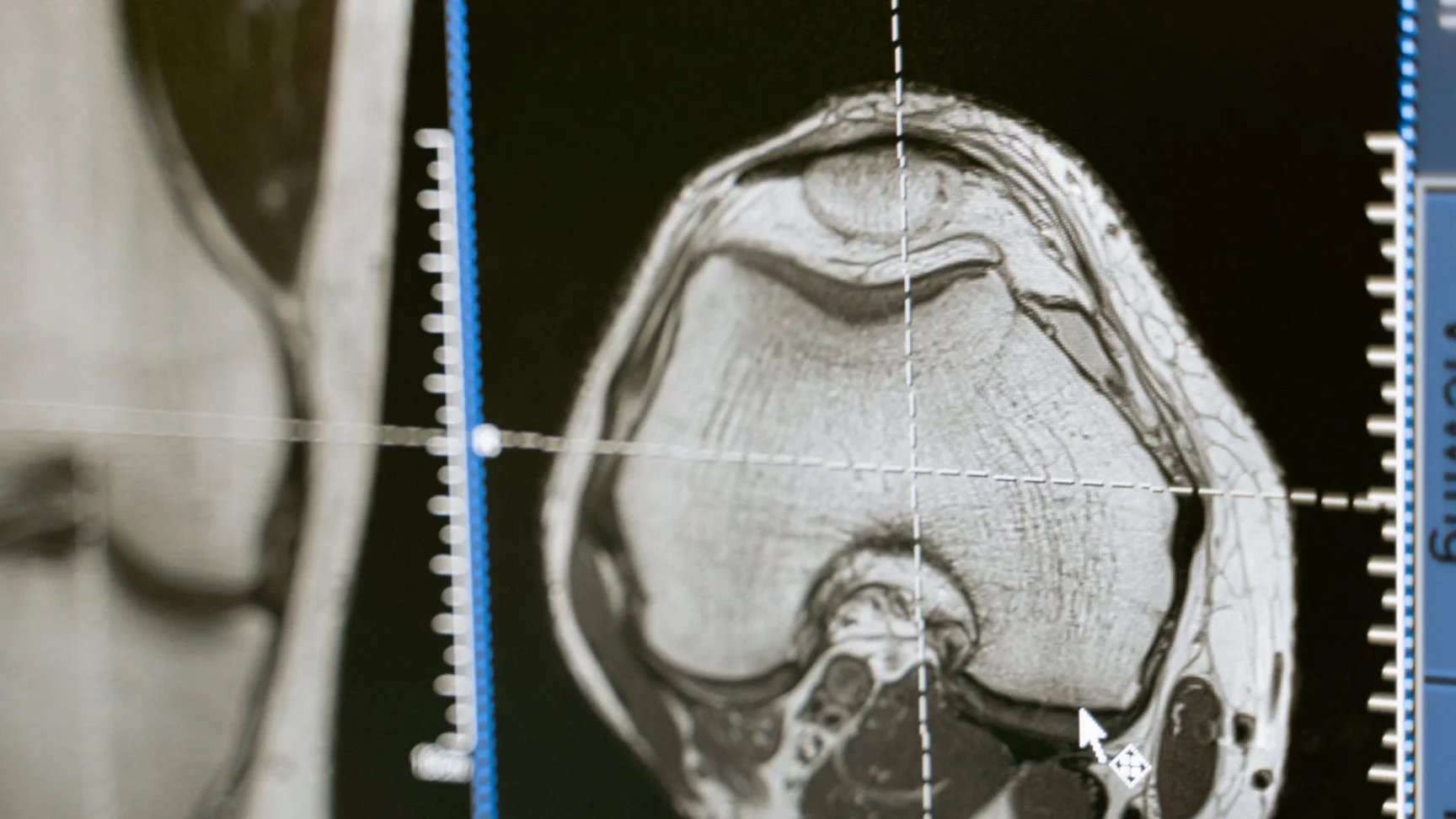
Here’s what sets us apart:
- Intuitive, user-friendly interface: Designed for both radiologists and non-radiologists, ensuring smooth adoption and efficient use.
- Advanced image manipulation tools: Enhance diagnostic accuracy with a comprehensive suite of tools for analysis and measurement.
- Seamless integration: Integrates seamlessly with existing EHR and RIS systems, eliminating data silos and streamlining workflows.
- Unwavering commitment to security: HIPAA-compliant and SOC 2 certified, ensuring the highest level of data protection.
- Dedicated support team: Our team of experts is always available to provide guidance and troubleshoot any issues.
Ready to experience the transformative power of cloud PACS?Request A Demo to SARC MEDIQ medical imaging solution today.